Peter Veteska & Blues Train is a solid, bluesy band that works the East Coast from Maine to Florida, and, not incidentally, a New York Blues Hall of Fame inductee, has just released its sixth album since 2014.
Eight of the 12 tracks are originals, and the album takes a blusier spin than his previous releases.
Of this latest album, Veteska says: “So Far So Good” is my sixth album since 2014 and captures the period from January to July of 2021, a time when I felt driven to write music, explore influences old and new, and create an album that reflects where I’ve been as an artist as well as where I’m headed.”
The basic band lineup of the Train, New York Blues Hall of Fame inductees, is Veteska on guitar and vocals, Coo Moe Jhee on bass, Alex D’Agnese on drums. But for this session they brought along Jeff Levine on keyboards, plus Garry Neuwirth, Mikey Junior, Roger Girke, Rick Prince and Jenny Barnes. And they threw in some horns from Tommy LaBella, Steve Jankowski, and Doug DeHays.
The result is a smart, sophisticated set of blues that kicks off with the tough, rocking “Done With Bad Luck,” with harp and B3 kicking things along. Following that, Veteska shifts into a warm, pensive mode with “I’ve Got the Blues This Morning,” driven by Levine’s subtle piano rhythms. “I Miss You So” is a sparkling, bluesy duet with Jenny Barnes. Veteska also stretches out with steamy guitar and vocals on the torchy “Low Down Dirty Blues” — one of my favorite cuts.
Veteska has a great feel for creating his own blues, and also knows exactly how to pick a great cover song. They give James Cotton’s “Young Bold Women” a workout; add some spicy horns for Guitar Slim’s classic, ”You Give Me Nothing But The Blues,” with another Barnes duet, and steps out nicely with Johnnie Johnson’s “Baby Please,” a jump blues with a swinging big band feel.
Veteska and his mates have produced a fine album here, one that swings easily through a variety of blues styles, all done with a natural feel for their music. Keep the blues coming.
Here’s the title track: “So Far So Good”
Tracklist
Done with Bad Luck (4:28) I’ve Got the Blues This Morning (4:24) I Miss You So (5:16) My One and Only Muse (4:17) Young Bold Women (4:46) Lovin’ Oven (4:26) You Gave Me Nothing but the Blues (4:31) Low Down Dirty Blues (3:53) Baby Please (3:46) East Coast Blues (5:01) So Far so Good (4:41) Can’t We All Get Along (4:31)
Ahhhh. Sweet soul music, that cool, smooth, sexy cousin of the blues.
Somewhere in the 1950s, various artists started to pull together musical strains from blues, R&B, gospel, jazz and a few other interesting places, and the idea of something called “soul music” simmered into its primal origins. Ray Charles and Sam Cooke played the fervency of black gospel into their own rhythms, with some blues. James Brown became the “godfather of soul” with some of his early work. Aretha Franklin later became the “queen of soul.”
But soul music had wider origins. According to the Acoustic Music organization, the “first clear evidence of soul music shows up with the “5” Royales, an ex-gospel group, formerly the Royals, who turned to R&B in the early 1950s, and in Faye Adams, whose 1953 “Shake A Hand” becomes an R&B standard” — eventually covered by everyone from Red Foley to Paul McCartney.
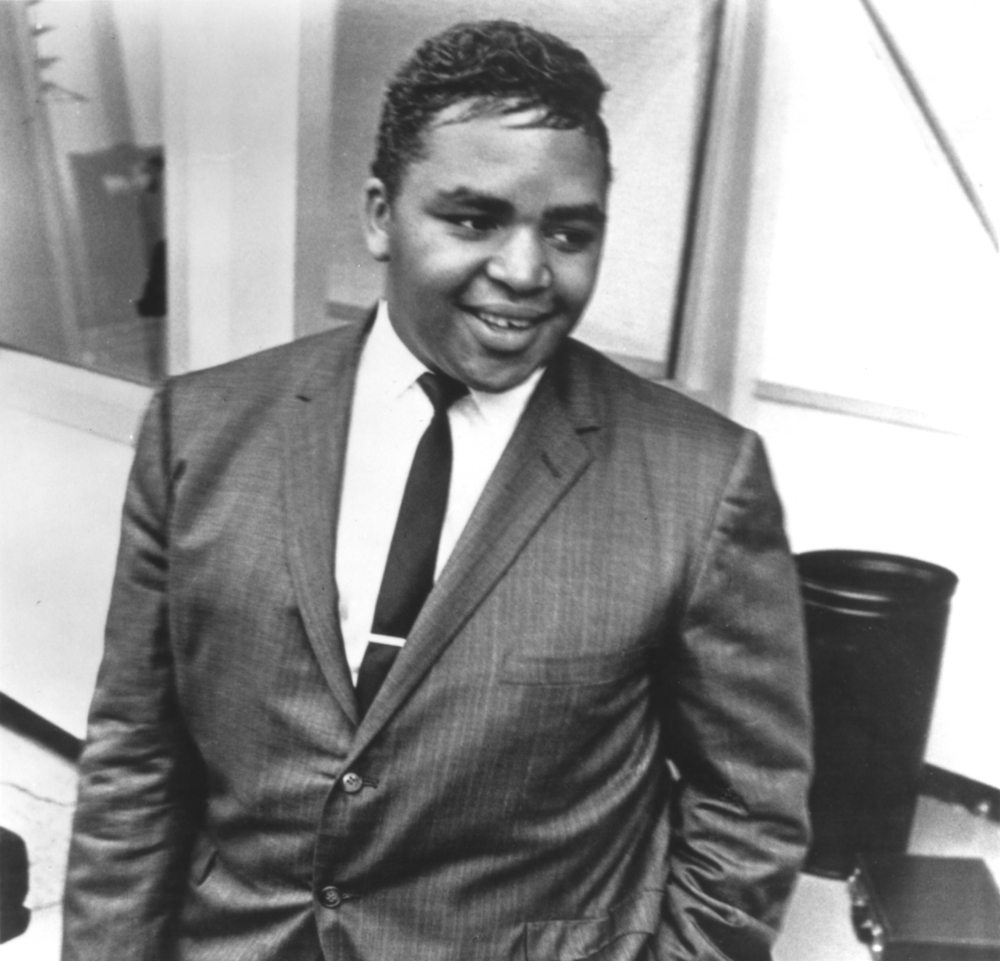
Solomon Burke, early undated photo.
As an interesting sidelight (and there are many when you start to trace musical genres), another group that also called itself the Royals (formerly the Four Falcons), brought in Hank Ballard and then became the Midnighters, and went on to specialize in some raucously salacious R&B (“Work With Me Annie,” “Annie Had A Baby”). The other Royals (formerly the Royal Sons Quintet, a gospel group), became the “5” Royales, and left gospel for something more akin to the devil’s music. I know, you need a scorecard.
But all of that music was initially kind of sporadic. It needed a special force to unite those early elements.
Enter the special force of Solomon Vincent McDonald Burke (born James Solomon McDonald). So special that Burke was consecrated a bishop at birth by his grandmother in the Solomon’s Temple, a congregation of the United House of Prayer for All People, which she founded at her home in Black Bottom, West Philadelphia.
And what an entrance he made. A big man with a big voice, he rolled out several big hits, starting in 1961, and soul music hit the stage testifying.
Music writer Peter Guralnick was among those who recognized Burke as a key figure in the emergence of soul music, and Atlantic Records as the key record label. Burke’s early 1960s songs, including “Cry to Me”, “Just Out of Reach (Of My Two Open Arms)” and “Down in the Valley” became almost instant classics.
According to Guralnick (whose elaborate and well-researched portraits of muisical performers should be required reading for any music lover):
“Soul started, in a sense, with the 1961 success of Solomon Burke’s “Just Out Of Reach (Of My Two Open Arms)”. Ray Charles, of course, had already enjoyed enormous success (also on Atlantic), as had James Brown and Sam Cooke — primarily in a pop vein. Each of these singers, though, could be looked upon as an isolated phenomenon; it was only with the coming together of Burke and Atlantic Records that you could begin to see anything even resembling a movement.”
Indeed, it was Atlantic Records executive Jerry Wexler who called Burke “the greatest male soul singer of all time”.
Burke had recorded since 1955 for the Apollo label, but when he joined Atlantic in 1961, with its fierce sensibilities of blues-related music, his powerful presence oozed soul from every recorded groove. He followed “Just Out Of Reach,” a cover of a country song from the early ’50s, with “Cry To Me,” which would become one of his most popular songs, and “Down In The Valley.”
Those songs, sung in Burke’s rich, sensual baritone with impeccable vocal craftmanship, seemed to pull together the best of gospel, country and R&B, and blend them into a uniquely soulful sound. It could be high and lonesome, or it could be deep and moving. But it almost always seemed to deal emotionally with the pleasures and pains of love.
Love lost, love found, longing for love, hoping for love, dreaming of love — all became soulful themes explored in song, and the best of the singers breathed a real and aching life into their words. Burke was one of the best. But he took other styles under his wing as well. The basic ingredient of the music — gospel style singing with a secular message — seems never to have left him.
Burke’s second pressing and first hit for Atlantic, “Just Out Of Reach (Of My Two Open Arms”), ” seemed to open its arms to all of those loving feelings. It was a great song for verrry slowww dancing, and longing for that love that was, of course, just out of reach. But the B side of that record, as if to hedge his bets against this new-found style, sent a different message — it was the hard-rocking “Be-Bop Grandma.” Of course, Burke could sing anything and make it sound unique. One example: he later covered Bob Dylan’s slyly loquacious “Maggie’s Farm.”
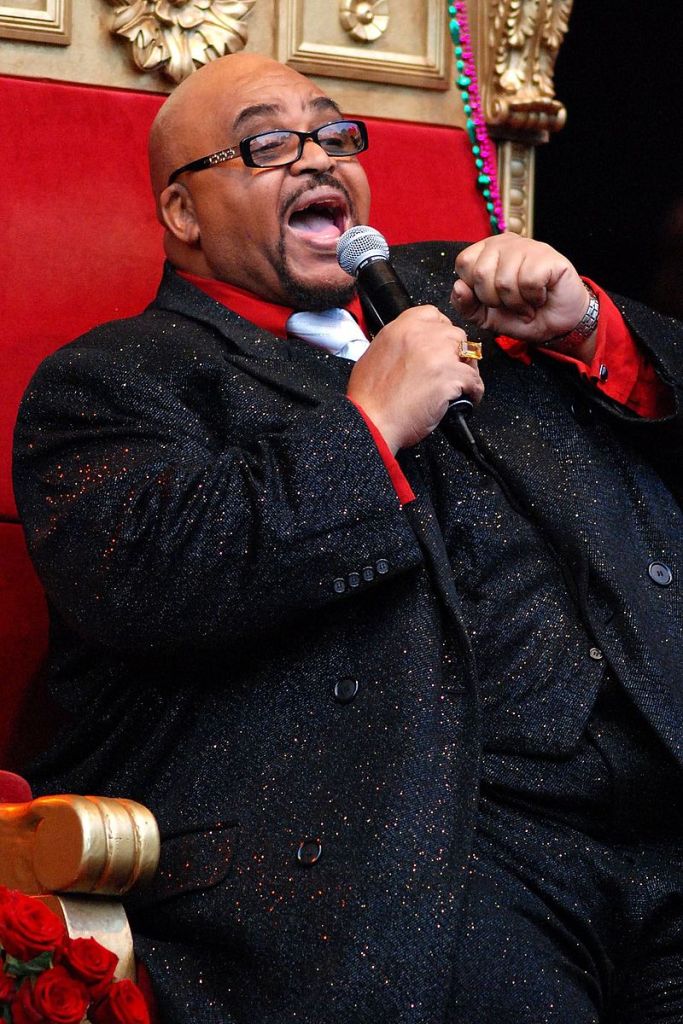
Solomon Burke in 2010 (By HagenU)
Then came another classic, 1962’s “Cry To Me,” another ode to lost love, but with an upbeat, slightly Latin feel. Still good for dancing, though. This one, however, was backed with another great soul tune, “I Almost Lost My Mind,” the 1950 classic by Ivory Joe Hunter. If anyone could possibly improve on this super-smooth lost-love lament, it was Burke, who caressed the lyrics like the wind caressed the trees. (Another interesting sidelight: Ivory Joe Hunter was Ivory Joe Hunter’s real name.)
Later in 1962, Burke recorded his take on the traditional folk/country song, “Down in the Valley, which was actually the B side of another soulful gem, “I’m Hanging Up My Heart for You.” “Valley” was a little different – a mournful country-style ballad with such a rich vocal effort; it was a pleasure to enjoy its mournfulness.
And the soul just kept coming. There was “greatest hits” album as early as 1962. Until the mid-60s, Burke’s music was a dominant force. After a string of a dozen hit records, by November, 1963, Burke greed to be crowned the “King of Rock ‘n’ Soul” in a ceremony at the Royal Theatre in Baltimore by local disc jockey Fred Robinson.
But nothing lasts forever. Burkes’s popularity (but not his magnificent voice and presence) began to wane. By the end of the ’60s, the torch of soul was passing to the likes of the very talented, capable and soulful Al Green, Johnn Adams, Otis Clay, Aretha Franklin, Wilson Pickett, Ray Charles, Otis Redding, Etta James, Clyde McPhatter, Jackie Wilson, and many, many more.
Burke continued to record prolifically until 2010, the year that he died, when he recorded his two final albums. His musical legacy remains intact in the dozens of albums he recorded. A lot of soul music came after his decline in popularity, but very few artists ever matched his powerful body of work or his passionate feeling for the music.
He gave soul music its soul. It’s also the meaningful kind of music that lets you look inward, into your soul, if you will. You can dance around the kitchen to the rhythms of “Cry To Me,” or you can savor your soulful solitude with the haunting lyricism of “Just Out Of Reach.”
I know there are many soul artists, both before and after Burke that I haven’t mentioned. I know because I listen to their music quite often. I don’t mean to slight anyone, only to put Burke’s music into a different perspective.
Ahhhh. Sweet soul music, that cool, smooth, sexy cousin of the blues. Long may it sing.
Here are some more reference points for soul music.
When you hear about, or even better, hear Tinsley Ellis sing and play guitar, some of the words that often come to mind include fiery, passionate, torrid and gritty.
They come to mind because they are all true.
Ellis, with 10 heady new originals on his 20th album (back at Alligator, where he debuted in 1988 with “Georgia Blue”), fills these tracks with his trademark scorching guitar and vocals.
Ellis draws on blues, rock, Southern rock and great guitar traditions for his work, but it’s all filtered through his own personal style. And his songwriting skills reflect the lively invention of his guitar work.
The two opening tracks kick everything off with some good, old-fashioned Southern rock — “One Less Reason” and “Right Down the Drain” are both high-powered, guitar-driven rockers. But Ellis scorches just as much when he tempers that unbridled guitar passion with the slow-burning intensity of “Just Like Rain” (with co-producer and keyboard wizard Kevin McKendree steaming over the B3), a torchy “Don’t Bury Our Love” and the blues-infused “Slow Train To Hell.”
There’s plenty more for the blues-rock fans, and Ellis doesn’t disappoint with a fiery collection that includes “28 Days,” “Juju,” “Step Up” and “One Last Ride,” all pulsing with hair-raising guitar licks driving his crackling band — McKendree on organ and piano, Steve Mackey on bass, and Lynn Williams on drums and percussion.
Ellis used his Covid time off to explore his music in multiple ways: “There was a lot of time to experiment. In my downstairs studio I set up every guitar and amp that I owned, plus a Leslie cabinet, an old wooden Wurlitzer electric piano, an old Maestro Echoplex tape delay and 30 or 40 glass, steel and brass slides. Experimenting with different gear set ups inspired the songwriting. Plus, I was able to listen to more music than I had since the 1970s. My imagination was fired up!”
And “fired up” is the best way to sum up the results — an album blazing with some of the best rocking blues around.
Here’s “One Less Reason.”
Tracklist and credits
1.One Less Reason 5:11 2.Right Down The Drain 5:00 3.Just Like Rain 4:30 4.Beat The Devil 3:50 5.Don’t Bury Our Love 5:19 6.Juju 5:02 7.Step Up 4:05 8.One Last Ride 6:11 9.28 Days 4:00 10.Slow Train To Hell 5:15 All songs by Tinsley Ellis, Heartfixer Music, BMI Tinsley Ellis, Guitar and Vocals; Kevin McKendree, Organ and Piano; Steve Mackey, Bass; Lynn Williams, Drums and Percussion
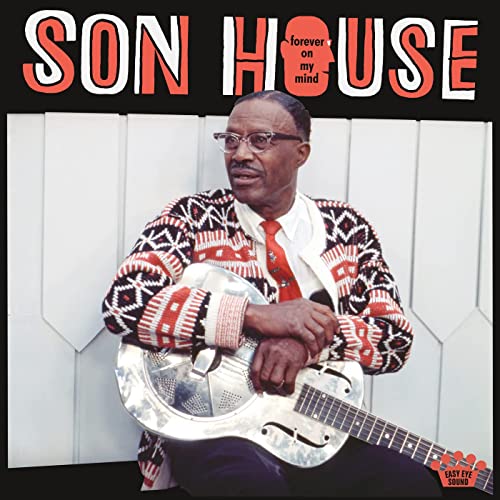
Son House, or Edward James “Son” House Jr., was a unique figure in blues history. His highly emotional vocals and slide guitar playing combined to give him a powerful, sometimes almost otherworldly, sound.
“Forever On My Mind” will be released March 18, 2022.”
After a stint as a preacher in his early 20s, House performed and recorded from the mid-1920s to the mid-’40s, when he gave up music and moved to Rochester, N.Y. He was rediscovered in 1964 and enjoyed a revival of his career during the ongoing folk-blues years until he retired agin in 1974 for health reasons.
After he was rediscovered in 1964, he recorded what would become his seminal album, “The Legendary Son House: Father of Folk Blues,” in 1965 on Columbia Records.
But, as it turns out, he was recorded earlier, at a November 1964, performance at Wabash College in Crawfordsville, Ind., by Dick Waterman. who has had tapes of that show stashed away for the past 60 years. Waterman was one of three blues fans who tracked House to his Rochester home and then helped to revive his career.
Now, material from the Wabash concert will be released next March by Dan Auerbach’s Easy Eye Sound record label.
The recordings come from a Nov. 23, 1964 performance Son House gave at Wabash College in Crawfordsville, Indiana; five months later, the blues legend cut his seminal 1965 Columbia Records album, The Legendary Son House: Father of Folk Blues, which introduced him to a new, wider audience.
The album contains new versions of seven songs House later recorded for Columbia — including a new rendition of “Preachin’ Blues.” The title track, however had never been recorded, and was played at his live performances.
A few days ago I was browsing through some old blues photos I had taken over the years, and found one that was full of bittersweet memories.
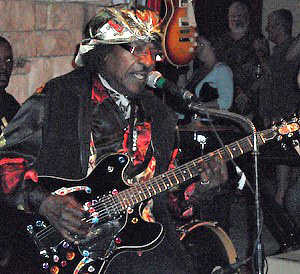
Eddie Kirkland (Jim White photo)
In February of 2011, I was wintering in Pinellas Park, Florida, in the Tampa Bay area. Friends were visiting, and we were looking around for a Saturday night out that might satisfy all of our tastes. We found that at the Dunedin Brewery, in the nearby town of Dunedin, where they were holding a Stogies and Stout night, offering cigars, a variety of stout ales, and the blues of Eddie Kirkland. We couldn’t have done better.
I had heard some of his music, but never seen him perform. After all, the Jamaican-born bluesman had been around for decades, touring with John Lee Hooker from 1949 to 1962, and then enjoying a long and productive solo career.
So, between stogies and stout (quaffed outdoors, due to the stogies), I visited the main room, where Kirkland was holding forth, enjoyed his music, and took a few pictures, including the one above. He was lively and cooking, despite his 87 years, and obviously enjoying himself.
I think it was the following Monday that I ran across a news item that said Kirkland had been killed in a car accident Sunday morning, Feb. 27, 2011, while driving back to his home in Macon, Ga.
I realized that I had seen his last show, had taken a photo of him, and had the chance to wish him well and tell him how much I enjoyed his music.
Here’s a video of a Kirkland concert in Belgium in 2008, when he would have been 84.
Every once in a while, a new album (and an artist that I’m hearing for the first time) comes along and nourishes the hole in my soul that can only be filled with a tasty, satisfying musical meal.
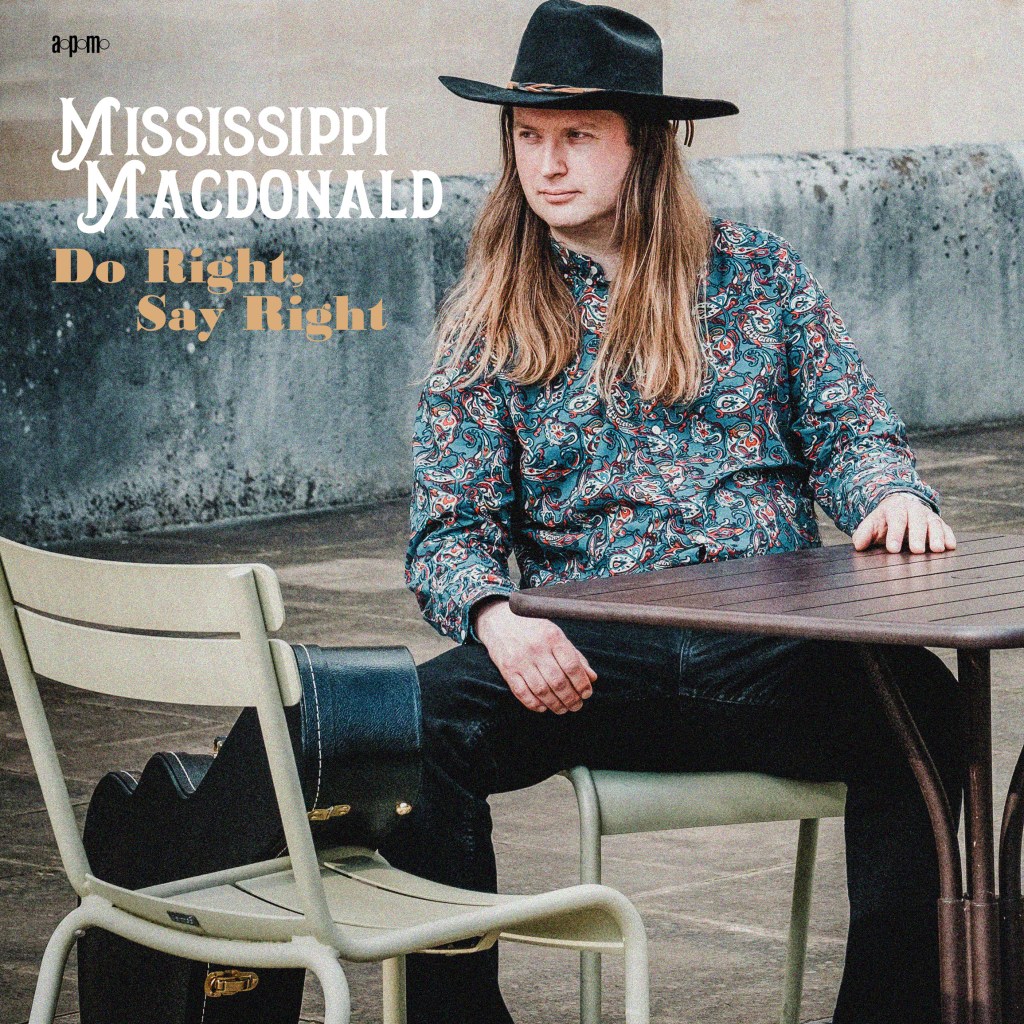
This time it’s a sharply cut gem of an album from England’s three-time British Blues Award nominee Oliver “Mississippi” MacDonald, titled “Do Right, Say Right.” He does both, extremely well. (The “Mississippi” handle came from schoolmates, because he was the only kid they knew who had been to America. It stuck.)
It’s filled with gritty, soulful vocals backed with fiercely melodic guitar runs, juiced in just the right places with kick-ass horns. It’s also filled with eight finely tuned original songs that sound as if they’ve been dredged from a primeval soul swamp, plus one very classic cover.
MacDonald’s backers are a razor-sharp unit, with producer Phil Dearing on keyboards and guitar, Elliot Boughen on bass, Mark Johnson-Brown on drums, and Lucy Dearing adding backup vocals. They all come together to create a sound that’s faithful to its deep soul/blues roots, but also channeled through MacDonald’s musical sense of the life he wants his own music to live.
“It’s modern, it’s not musical archaeology,” MacDonald says. “It celebrates a fantastic tradition. It’s soul-blues, and you’ve got to put your best into it.” In order to touch that tradition, MacDonald has been to Al Green’s church and heard him preach. He’s been to Willie Mitchell’s Royal Studios in Memphis, where the great records on the Hi Label were recorded. He’s met B.B. King and Pinetop Perkins, Otis Clay, and Sam Moore. Big Joe Turner told him to listen to Albert King.
Out of all that, and much more, obviously, came MacDonald’s authentic feeling for the music that he delivers here with such skill, power and passion. There’s not a false note on this terrific, heart-felt effort; in fact, it’s just the opposite: every note rings true to the soulful spirit MacDonald is invoking.
The tough-enough opening track, “I Was Wrong,” is one of my favorites, with horns adding the proper soulful subtext to this lover’s lament. As with all of his original tracks here, MacDonald avoids lyrical and musical cliches; he sings and plays with a fierce authenticity.
Some of the other songs that stood out for me include “I Heard It Twice,” “It Can’t Hurt Me,” “Drinker’s Blues,” the low-down, piano-first blues “If You Want A Good Cup Of Coffee,” and the album’s only cover, “Your Wife Is Cheating On Us,” a torchy reading of the Little Milton version of the slyly salacious Denise LaSalle chestnut, “Your Husband Is Cheating On Us.” The rest are all equal evidence of this fine talent.
But my absolute favorite track, driven by its lyrical intensity and soaring guitar, is “Let Me Explore Your Mind,” a masterful six-and-a-half minutes of soulful pleading for meaningful human connection. It’s a beautiful, powerfully crafted piece of music-making.
What more can I say? This is an excellent album. Enjoy it soon and often.
Here’s the very, very fine first track on the album, “I Was Wrong.”
Tracklist: 1 – I Was Wrong 2 – I Heard It Twice 3 – It Can’t Hurt Me 4 – Drinker’s Blues 5 – Let Me Explore Your Mind 6 – That’s It I Quit 7 – If You Want a Good Cup of Coffee 8 – Keep Your Hand out of My Pocket 9 – Your Wife Is Cheating on Us
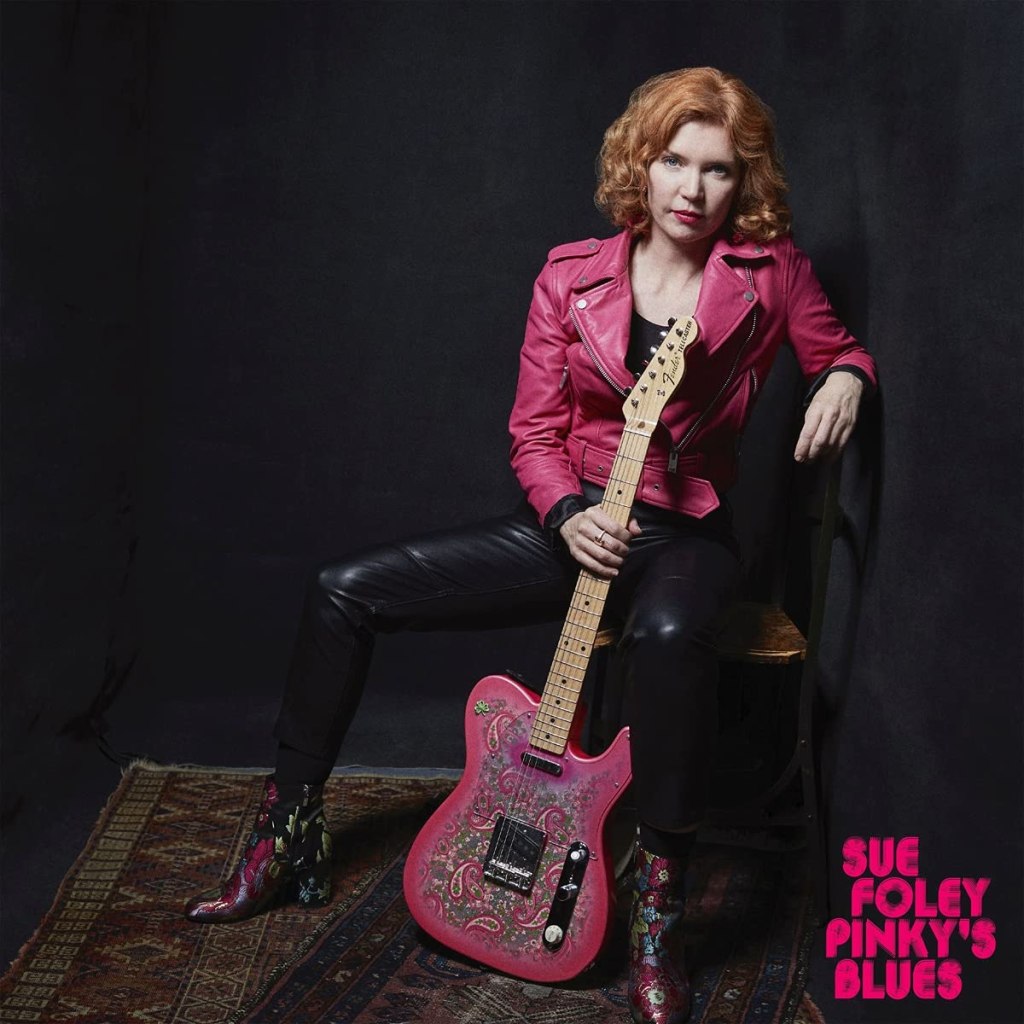
From the opening bars of the title song — a soaring instrumental that burns with pain and pleasure in one passionate extended Pinky guitar solo — Canadian-born but Texas-marinated Sue Foley offers up a new album filled with the tough and tender sides of Texas blues.
Pinky, of course, is Foley’s pink paisley Telecaster sidekick, and it leads the way through a dozen tough guitar-driven blues, some excellent and unique covers; some terrific originals. And they all pay a fine tribute to the Texas blues that Foley has adopted as her own.
Following that tough opener is a cover of Texan Angela Strehli‘s tribute-laden“ Two Bit Texas Town.” That’s followed later by another excellent Strehli cover, the torchy “Say It’s Not So.”
And that’s just one of two excellent soulful covers, with the other one being “Think It Over,” credited to Lillie Mae Donley, but most likely by her husband, Jimmy Donley, the legendary swamp-pop singer-songwriter. It’s a great choice of a fine song with hints of an R&B and doo-wop heritage. And it’s a slow-dancing gem.
There’s a tough original Foley blues, “Hurricane Girl” (she’s “a force of nature”), adding Jimmy Vaughan on rhythm guitar. That’s followed by another inspired cover — “Stop These Teardrops” by Lavelle White.
The scorching “Pinky’s Blues” isn’t the only instrumental. A flashy version of Clarence “Gatemouth” Brown’s “Okie Dokie Stomp” shows off Foley’s flying fingers.
But don’t get the idea that this is just another album of blues covers. The choices are excellent. The arrangements are a credit to Foley and her bandmates, bassist Jon Penner, and drummer Chris “Whipper” Layton, with producer Mike Flanigin adding organ on two tracks. They take these songs and make them their own, with Foley’s unique guitar and vocals turning them into new and personal versions.
Foley says the inspiration for this recorded “live” effort was an earlier, and similarly spontaneous session she did with Flanigan and his B3 on the thoroughly enjoyable album “West Texas Blues,” which I wrote about here.
Here’s how Foley describes the process: “I recorded the entire album in three days. What you’re hearing is live, off the floor, in the moment the music was played totally spontaneously and, mainly, improvised. And, we wanted to make something representative of the Texas blues that we had been schooled on in Austin. So, we picked great songs and I wrote a few of my own to round things out. Everything on it is a labor of love.”
What you’re also hearing is the consummate work of an artist who has been growing in stature for years, and broke big with her 2018 album “Ice Queen,” which reached No. 4 on the Billboard Current Blues chart, and No. 1 on Roots Music Report’s Top 50 Canada album chart. She won ”Best Traditional Female (Koko Taylor Award)” at the 2020 Blues Music Awards in Memphis, was nominated for a Juno Award (Canadian Grammy), and won ”Best Guitar Player” at the Toronto Maple Blues Awards.
And I can almost say I knew her when, since I saw her at the Pittsburgh Blues Festival in 2010, touring with Peter Karp on their unique “He Said, She Said” album, with songs based on their correspondence while touring separately.
But no matter how you describe, or how it came to be, “Pinky’s Blues” is a sparkling album in the timeless Texas blues tradition, and you deserve to make it a part of your music library.
This post has been inspired primarily by the music of Sue Foley, with creative assistance from Russell’s Reserve 10-Year Old Bourbon.
The official music video of “Dallas Man,” from “Pinky’s Blues”:
TRACK LIST:
1 Pinky’s Blues 2 Two Bit Texas Town 3 Dallas Man 4 Southern Men 5 Say It’s Not So 6 Hurricane Girl 7 Stop These Teardrops 8 Boogie Real Low 9 Think It Over 10 Okie Dokie Stomp 11 Someday 12 When The Cat’s Gone the Mice Play
First, an apology to Richard Lubovitch, DogTown bandleader, guitarist, and producer of this fine album (and everyone else involved). He sent me this release at the end of August, but I kept delaying this review because — well, I don’t really have an excuse. So here it is.
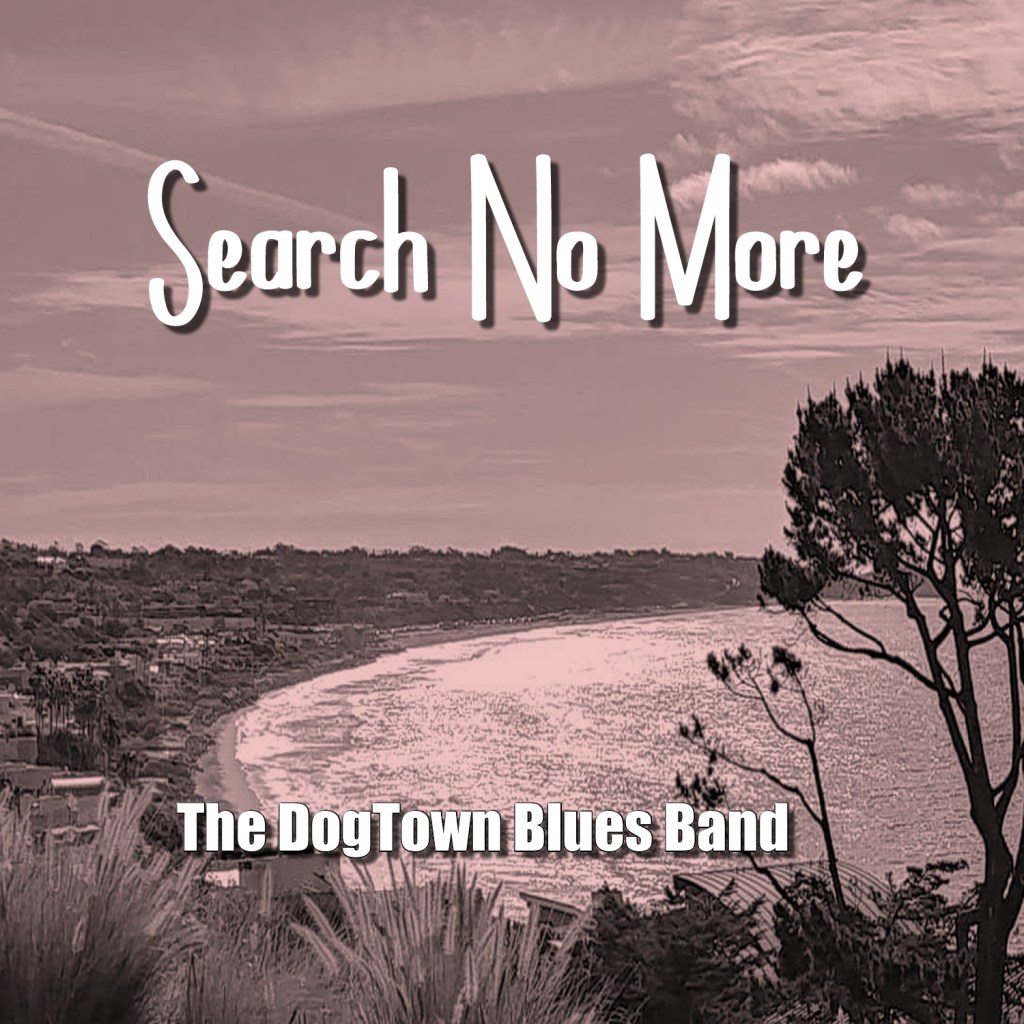
“Search No More” is the Los Angeles band’s third album, all blues-based, but with a few of their own inventive musical twists and turns thrown in.
They’ve taken some blues chestnuts and roasted them over a somewhat more mellow West Coast fire, and added one Lubovitch original. The result is an interesting and enjoyable blend of blues, jazz, classic R&B with the smoke of a little rock ‘n’ roll.
The band is an equally enjoyable blend of seasoned veterans from diverse backgrounds: There’s Lubovitch on guitar (himself a 30-year vet of the Chicago blues scene), Kaspar Abbo on vocals, Bill Barrett on chromatic harmonica and vocals, Wayne Peet on organ, piano and keyboards, Trevor Ware on upright bass, and Lance Lee on drums. Special guest Marcus Watkins contributes guitar on tracks 5,6 and 10.
The album kicks off nicely with a swinging version of Percy Mayfield’s “Cooking in Style,” with Barrett on harp and vocals. “River’s Invitation,” another lyrical Mayfield effort, gets a smooth vocal turn from Abbo. Both lead the way into into the rest of the songs, a fusion of talent and styles that make for a tasty, well-balanced musical meal.
Vocalist Kaspar Abbo tackles six of the nine vocals on this session, with smooth interpretations of the title track, Jimmie Dotson’s classic “Search No More,” Wille Dixon’s tough “ You Shook Me,” ” River’s Invitation ” the historic rocker “Miss Ann” by Enotris Johnson/Richard Penniman (that’s Little Richard, of course, and Johnson was the husband of the Miss Ann who took him in as a youngster.), Tom Johnston’s (The Doobie Brothers) “Long Train Coming,” and Billy Hill’s classic R&B turn, “Glory of Love.” “All Night” is a chunky, funky Lubovitch instrumental original. Abbo lends vocal sophistication and smoothness to the group, even with a rocker like “Miss Ann.”
I have to digress a minute here to give special attention to DogTown’s outstanding cover of one of my all-time favorite songs by one of my all-time favorite groups. “Glory of Love” was written by Billy Hill in 1936, with a hit version that same year by the Benny Goodman Orchestra with Helen Ward on vocal. Since then it has been covered by pretty much everybody but me. But my favorite is the 1951 super-slow-dancing R&B/doo-wop version by the sensuous pipes of the Five Keys (formerly the Sentimental Four). It got to me a few years later when my hormone-fueled teen genes were turning very blue. There’s also a fine 1957 cover by the Velvetones, and a very bluesy acoustic rendition in ’57 by Big Bill Broonzy. You can skip the 1965 cover by Jimmy Durante, and go right to a very soulful version, with horns, by Otis Redding in 1968. (You can find most of these versions on YouTube.)
This DogTown version of “Glory of Love” finds Abbo’s vocals in fine form, with meticulous piano by Wayne Peet.
DogTown’s motto is: “We like to put a little jazz in our blues, and a little blues in our jazz.” They do all that and more on this excellent album. Try it late at night with a snifter of Evan Williams Single Barrel bourbon. You’ll never slow dance the same way again.
Here’s “Search No More,” by the DogTown Blues Band
Track list and credits:
“COOKING IN STYLE”: Percy Mayfield: Featuring Bill Barret on Vocals and Chromatic Harmonica
“RIVER’S INVITATION”: Percy Mayfield: Featuring Kaspar Abbo on Vocals
“YOU BETTER BELIEVE IT”: Paul Gayten: Featuring Bill Barrett on Vocals & Chromatic Harmonica
“YOU SHOOK ME”: Willie Dixon: Featuring Kaspar Abbo on Vocals & Richard Lubovitch on Guitars
“ALL NIGHT”: Richard Lubovitch: Featuring Richard Lubovitch on Guitar
“SEARCH NO MORE”: Jimmy Dotson: Featuring Kaspar Abbo on Vocals & Marcus Watkins on Lead Guitar
“MISS ANN”: Enotris Johnson/Richard Penniman: Featuring Kaspar Abbo on Vocals
“GLORY OF LOVE”: Billy Hill: Featuring Kaspar Abbo on Vocals & Wayne Peet on Piano
“I WONDER”: Cecil Gant; Featuring Bill Barrett on Vocals & Chromatic Harmonica
‘LONG TRAIN COMING”: Tom Johnston: Featuring Kaspar Abbo on Vocals, Bill Barrett on Chromatic Harmonica, Richard Lubovitch & Marcus Watson on many guitars.
Carolyn Wonderland is a little hard to define. She plays a mean, nasty guitar. She rocks. She rolls. She sings blues. She sings country. Basically, she sings and plays any damn way she pleases.
And all of that is what makes her music so good. And so thoroughly enjoyable.
I saw her once, years ago, at the Thunderbird Cafe in Pittsburgh, and I can testify she was indeed all of the above.
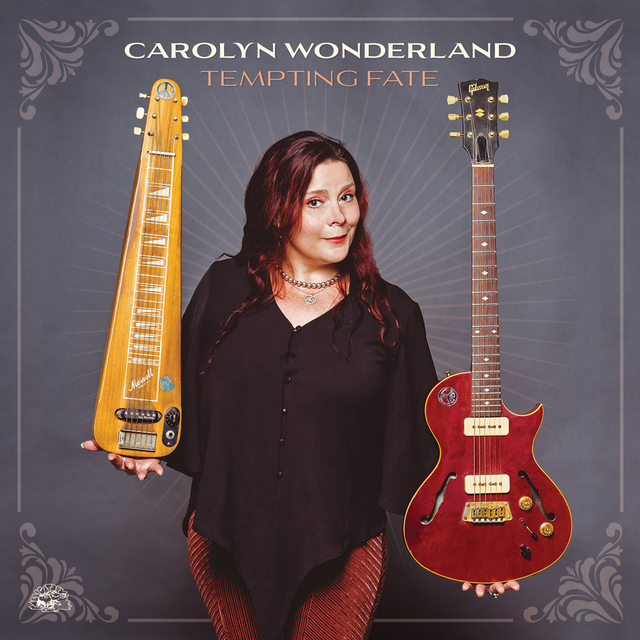
“Tempting Fate,” her first album for the respected blues label Alligator Records, is full of all her best qualities — inspired songwriting, interpretive covers, and razor-sharp musical chops. It’s also the occasion of the first female lead guitarist recorded in Alligator’s 50-year history. And this follows her 2018 it’s also the occasion … ecent three-year stint as the first female lead guitarist in John Mayall’s Blues Breakers.
Wonderland (born Carolyn Bradford, which makes “Wonderland” an intriguing upgrade), has soaring guitar skills that match her vocals. She can turn a whisper into a shout without losing sight of the lyrical content, and build a slow, steamy opener to a torrid close. She does bawdy roadhouse and vocal sensitivity with equal skill. This excellent album shows off all of Wonderland’s skills in one stirring set:
“Fragile Peace and Certain War” opens with her stinging slide and a personal message aptly suggested by its title to match, the first of several songs with a social conscience. She follows up with a whimsical “Texas Girl And Her Boots,” an ode to her favorite footwear. They are followed by three more originals, “Broken Hearted Blues” (co-written with Greg Rzab (Bass player with Buddy Guy and the John Mayall), a fiercely torchy blues, “Fortunate Few” starts out with a loosely swinging style in front of a touch of honky-tonk piano that soars in intensity, “Crack In The Wall” is an almost languid ballad that tackles the distinctly unlanguid topic of immigration.
She has chosen her covers, and preproduced them, with great care. “The Laws Must Change” is a John Mayall tune and “Honey Bee,” a rousing Tex-Mex effort, is from Billy Joe Shaver.
I kind of favor the two closers: Bob Dylan’s “It Takes A Lot To Laugh, It Takes A Train To Cry,” a slick duet with Jimmie Dale Gilmore and liquid lap steel by Cindy Cashdollar (herself a very unique talent). Then the seven-minute “Loser,” by Jerry Garcia, where Carolyn starts quietly and builds toward a guitar-vocal whirlwind of a climax.
The album is produced by Dave Alvin (singer, songwriter, producer, to understate his achievements), with a guest list that includes himself on guitar on three songs, Jimmie Dale Gilmore, Cindy Cashdollar on lap steel, Marcia Ball on piano, Shelly King on background vocals, Ian Fleming on accordion, and Red Young on organ and piano. Wonderland’s core road band of Bobby Perkins, bass, and Kevin Lance, drums, help push things along.
This is a excellent album, filled with a variety of complementary musical styles, great vocals from the veteran Wonderland, artful backing musicians and a production that weaves everything into place.
I couldn’t find a video from “Tempting Fate,” but here’s a live video of Carolyn performing “Open Eyes” with John Mayall:
1. Fragile Peace And Certain War (3:59) By Carolyn Wonderland 2. Texas Girl And Her Boots (4:20) By Carolyn Wonderland 3. Broken Hearted Blues (4:52) By Carolyn Wonderland, Greg Rzab 4. Fortunate Few (3:25) By Carolyn Wonderland 5. Crack In The Wall (3:09) By Carolyn Wonderland 6. The Laws Must Change (5:01) By John Mayall 7. Honey Bee (4:26) By Billy Joe Shaver 8. On My Feet Again (2:59) By Carolyn Wonderland 9. It Takes A Lot To Laugh, It Takes A Train To Cry (3:47) By Bob Dylan 10. Loser (7:17) By Jerry Garcia
A fine blues festival film documentary has been making the rounds since this summer, and if you haven’t seen it, you should.
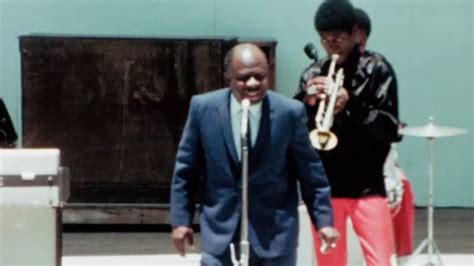
Rufus Thomas with The Bar-Kays in “Memphis 69.”
It’s called “Memphis ’69: The Memphis Country Blues Festival,” filmed over three days in June, 1969, in the final year of its four-year run to celebrate the 150th anniversary of the city of Memphis.
Gene Rosenthal, head of the independent blues label Adelphi, filmed about 17 hours of performances, but after processing the film, had no budget left for further production, according to Rolling Stone.
Years later, Rosenthal mentioned the footage to Bruce Watson and Matthew Johnson, founders of blues record label Fat Possum, who were then instrumental in getting the forgotten footage turned into this sparkling documentary. It was directed by Joe LaMattina, assembling it from Rosenthal’s old film.
This is an excellent film, featuring legendary country blues artists like Mississippi Fred McDowell, Bukka White, Son Thomas, Sleepy John Estes and more, plus a host of others, some more well-known than others.
The full list of performers:
Rufus Thomas with The Bar-Kays, Bukka White, Nathan Beauregard, Sleepy John Estes & Yank Rachell, Jo Ann Kelly & “Backwards” Sam Firk, Son Thomas, Lum Guffin, Rev. Robert Wilkins & Family, John Fahey, Sid Selvidge with Moloch, John D. Loudermilk, Furry Lewis, Piano Red, Jefferson Street Jug Band with John Fahey and Robert Palmer, Insect Trust, Johnny Winter, The Salem Harmonizers, and Mississippi Fred McDowell.
The footage of those old masters is great to watch, and if anything, you wish for a little more of their performances. There’s a lot of atmospheric footage of the crowd (the camera people show a lot of interest in attractive young women), and some of the film cuts are a little awkward. But those are quibbles when given the chance to see some of these magnificent old bluesmen in their final years. And a young Johhny Winter. And the prolific blues and music writer Robert Palmer playing clarinet in a jug band. And so on….
The film is available on Fat Possum’s YouTube channel, and I’m adding that link here. Enjoy:


 Blues Roadhouse