Joe Rosen has been making music come to life through his photojournalism for nearly half a century.
As the subtitle of his new book, “Inside the Moment” notes, that’s the music of blues, soul, jazz, rock, and R&B — and dozens of artists whose names are synonymous with those styles.
It’s also a book of Rosen’s vivid memories connected to those images, detailing his first-person experiences with the artists and adding historical context to the vitality of their music. The result is a fascinating journey through nearly 50 years of some of the greatest artists in their fields.
One very striking element of Rosen’s photography in “Moment” is that all the artists are presented in stark black and white imagery. It’s a magical choice, adding primeval power and vitality to his subjects. He says in the introduction that black-and-white photography was his first love, and the images here clearly are filled with that love — and much respect — for his subjects and their music.
Just a few of his subjects here include John Lee Hooker, Lightnin’ Hopkins, B.B. King, Ray Charles, Little Richard, Fats Domino, Dexter Gordon, Chet Baker, Eric Clapton, Robert Cray, and Buckwheat Zydeco. There are well-known stars and lesser-known artists, offering the reader a chance to revisit favorites and discover new faces and investigate their music. If you’ve seen any of them perform, Rosen’s photos offer a musical journey back into your own memories. These powerful, moving images represent Rosen’s life’s work capturing the spirit of music he loves.
Rosen continues to work as the photographer documenting performers on the annual Legendary Rhythm and Blues Cruises, as well as at numerous music festivals and shows, capturing the essence that’s defined his career — the passion, energy, and storytelling power of live music.
This isn’t the New York City-based Rosen’s first publishing effort: “Blues Hands” was an impressive catalogue of close-ups of the hands of blues musicians working their instruments.
On a personal note, I’m honored to have known Joe Rosen since he set out on his photographic journey in Pittsburgh in the late 1970s, when we met at blues shows in local clubs. Our paths have since crossed on some of the blues cruises, and I’ve never failed to be impressed with his professionalism, his enthusiasm, and, of course, the wonderous quality of his work.
It’s easy to just take “pictures,” it’s difficult, and necessary, to get “Inside the Moment.” Joe Rosen does that magnificently. It’s easy to recommend this elegant work.
The first time I heard a Lonnie Mack recording, he was playing the whimsical “Oreo Cookie Blues.” Another time was in a video of Mack, Albert Collins and Roy Buchanan in a Carnegie Hall concert. A great performance.
He was a captivating, innovative guitar player and impressive singer — a musical force that was hard to ignore. He was also the guitar hero for a generation of young players who followed.
This album is from a recording made when Mack filled in as a last-minute replacement in the summer concert series at Louisville’s Kentucky Center for the Arts. Tapes of that show were recently discovered and restored. The result is this live album — the first commercial release of Mack’s music since his death in 2016.
The album is fill with a sort of greatest hits, songs that he showcased. The sound is just a little muffled, but that’s okay. Mack’s essence comes through just fine.
I could ramble on about each song, but instead I’m going to copy the liner notes here — an excellent summary of his career. There are also some links below to videos of several of his performances.
If you’re a Lonnie Mack fan, this is fine look back at some of his work. If not, you’re in for a treat! Enjoy it either way!
Liner notes:
It’s a great honor to be able to [inspire other artists]. What you do in this business, your whole thing is givin’ stuff away. But that makes you feel good, makes you feel like you’ve really done something.” ~ Lonnie Mack
Years from now, when the history of electric guitar-driven music is finally written, Lonnie Mack will be remembered as its first hero. He was never a household name, but his tone, technique, and fearless fusion of styles laid the groundwork for many, including some of his more famous friends. Eric Clapton, Jeff Beck, Jimmy Page, Stevie Ray Vaughan, Duane Allman, Dicky Betts, Neil Young, and Danny Gatton are among the many that have said as much. The thing is, Lonnie didn’t just play the guitar, he redefined what it could do.
Born in 1941 in West Harrison, Indiana, Lonnie was the son of sharecroppers. He grew up on the banks of the Ohio River and began playing guitar at the age of seven, after his mother taught him a few chords. It wasn’t long before he was playing bluegrass in the family band. At home, they would listen to The Grand Ol’ Opry in the evening, and then Lonnie would spin the dial to the rhythm and blues of WLAC when the rest of the family went to bed. He became a fan of rhythm and blues and gospel music, and at the age of ten, began learning how to play Robert Johnson style guitar. He soon merged that with country style fingerpicking to create his own sound. As he grew into his teens, his singing and playing had developed so much that by the age of fourteen, he had dropped out of school, and armed with a fake ID, was playing regularly in nightclubs and roadhouses. When he was seventeen, he bought the seventh Gibson Flying V off the first-year production line, because he loved the arrow-like shape of the guitar. Lonnie would play “Number 7” throughout the rest of his career.
By the early 1960s, Lonnie was playing on recording sessions for the Cincinnatti-based Fraternity label, behind Hank Ballard, James Brown, Freddie King and others. At the end of one of those sessions, he was offered the remaining twenty minutes of recording time. He used it to record an instrumental version of Chuck Berry’s “Memphis,” which he later realized had been released when he heard it on the radio. “Memphis” hit the Top 5 nationally and sold over a million copies. That record, along with its follow-up “Wham!”, and 1964’s “Chicken Pickin’” established Lonnie’s signature style. By that time, he had added a Bigsby vibrato bar (thereafter called a “Whammy bar”) to his “Flying V” guitar. Lonnie’s lightning fast flatpicking, tremolo bar effects, and melodic solos raised the stakes and galvanized guitar players all over the world. Today, his debut album, The Wham of That Memphis Man! is considered one of The 100 Best Rock ’n’ Roll Records of All Time.
While best known for his instrumental prowess, Lonnie was also a powerful singer. He had a singular ability to alternate between soaring gospel-tinged vocals and red-hot guitar work. In 1968, a Rolling Stone feature revived interest in Lonnie, and with Fraternity out of the picture, he signed to Elektra, for whom he recorded three albums—Glad I’m in the Band (1969), Whatever’s Right (1969) and The Hills of Indiana (1971)—all of which centered on his vocals instead of his guitar work. Despite modest success, Lonnie grew disenchanted, and eventually withdrew from national attention, spending much of the 1970s playing in local clubs, fishing, and living in rural Indiana.
Lonnie’s major comeback came in the mid 1980s after moving to Texas at Stevie Ray Vaughan’s urging. In 1985, he released Strike Like Lightning on Alligator Records, co produced by, and featuring Vaughan on several tracks. The album reignited his career, and he toured widely with guest appearances by Keith Richards, Ron Wood, Ry Cooder, and Vaughan, culminating in a performance at Carnegie Hall alongside Albert Collins and Roy Buchanan later that year.
Second Sight (1986), Roadhouses & Dance Halls(1988), and Live! Attack of the Killer V (1990) followed, and then after more than a decade on the road, Lonnie mostly retired from touring, although he continued to write. All in all, Lonnie recorded a total of 11 solo albums. He was inducted into the International Guitar Hall of Fame in 2001, and The Rockabilly Hall of Fame in 2005.
Live From Louisville is Lonnie’s first commercial release since 1990. It was performed over the airwaves in front of an enthusiastic audience in July of 1992, on the back of the Live! Attack of the Killer V album. The performance features four songs from that album in expanded, unfettered form: “Camp Washington Chili/If You Have To Know,” “Satisfy Suzie,” “Stop,” and the autobiographical self-penned “Cincinnatti Jail.” He also performs a medley of his classic 1963 hits “Memphis” and “Wham,” and stripped-down guitar/vocal performances of “Oreo Cookie Blues,” and “Tough On Me, Tough On You” are part of this session.
The set runs a little under an hour and is a rare snapshot of the raw intensity of one of the many gobsmacking performances that Lonnie gave on a regular basis on the road in those days, and what it felt like to be in the audience. As was typical during that time, live on-air recording did not use many microphones, but the recording has been recovered and restored as best it can, and stands as a part of this rich history.
Lonnie is joined on this set by Louisville’s own Jeff McAllister on drums, who played on and off with Lonnie for many years. Denzil “Dumpy” Rice appears here on piano and keyboards. Dumpy had played with Lonnie since 1957, well before his time at Fraternity Records. A hit songwriter in his own right, he was a world class pianist, as this recording will attest. He passed away in 2003.
Bucky Lindsey appears here on bass and vocals. Lonnie first met Bucky in Nashville in the early 1980s. The story as Bucky would later tell it, was that Lonnie’s bus was parked outside of what was once known as Quadrafonic Studios, when they met. Lonnie invited him in and offered him a choice of homemade wine—“Strawberry Asskicker or Blueberry Motherfucker.” The two became fast and close friends, and remained so for the rest of their lives. They wrote many songs together, along with Dumpy and others, some of which are spread across several of Lonnie’s albums. Bucky played bass on the road with Lonnie many times over the years. In the early 90s, he joined Lonnie for his European tour. They also did a lot of fishing.
When Lonnie first came to Nashville, Bucky helped open the door for him by introducing him to his friends—many of the top songwriters and musicians in town. This re-ignited Lonnie’s passion for writing, and the songs on his recordings, more and more, were comprised almost exclusively of his own material, as time went on. Shortly after Lonnie’s death in 2016, his daughter Holly found an audio tape. On it, Lonnie had a message for Bucky. It simply said, “I couldn’t have done it without you.” Bucky passed away in June 2025. Lonnie’s estate has dedicated this album to his memory.
“Oreo Cookie Blues” from Carnegie Hall:
Tracklist and credits: Camp Washington Chili Writers: Lonnie Mack/Tim Drummond, Pub: Mack’s Flying V Music, (BMI) If You Have To Know Writers: Lonnie Mack/Tim Drummond/Will Jennings, Pub: Mack’s Flying V Music (BMI), My Dragon Heart (ASCAP) Blue Sky Rider Songs (BMI) Satisfy Suzie Writers: Lonnie Mack / Tim Drummond, Pub: Mack’s Flying V Music (BMI), My Dragon Heart (ASCAP) Stop Writer: Lonnie Mack, Pub: Mack’s Flying V Music (BMI) Memphis Writer: Chuck Berry. Pub: Isalee Music Publishing Company c/o Drive Music Publishing (BMI) Wham Writer: Lonnie Mack, Pub: Flying V Music (BMI) Oreo Cookie Blues Writers: Lonnie Mack / Mike Wilkerson, Pub: Mack’s Flying V Music (BMI), Milky Way Music (BMI) Tough On Me, Tough On You Writers: Lonnie Mack/Hoy Lindsey, Pub: Mack’s Flying V Music (BMI), Hoy Lindsey Music (BMI) Cincinnatti Jail Writer: Lonnie Mack, Pub: Mack’s Flying V Music (BMI)
Videos: Official Video: “Too Rock for Country, Too Country for Rock and Roll” from Roadhouses and Dancehalls https://youtu.be/Dwpd_f4t8U8?si=OA-L7H5pVlRtCdze Written by Lonnie, Dan Penn, Bucky Lindsey and Dumpy Rice
Kansas City has been fertile ground for great American music for the past century – creating feisty blues with an attitude that’s shaped big bands, jazz, rhythm and blues, jump blues, and even the formative years of real-deal rock ‘n’ roll in the 1950s.
Those are the deep roots that nourish the music of the Mike Bourne Band. Inspired by the genre-defining music of Louis Jordan, T-Bone Walker and other blues giants, Bourne has recorded and performed with the legendary likes of Otis Rush, Sam Lay, Barrelhouse Chuck and beyond.
As Bourne explains: “Blues and roots music is empathetic and real. I relate to the songs that inspire me and lyrics like ‘Don’t worry about a thing, cause nothing’s gonna be alright’.” That inspiration is what drives his latest swinging album, Kansas City O’Clock, a joyous romp filled with KC musical styles – 12 sparkling originals and a pair of classic covers. Bourne has gathered a supporting cast of more than 20 excellent musicians whose mission was to pump the necessary effervescence into all these tracks. Musical mission accomplished!
The fun begins with the rocking “Can’t Be Anybody But Myself,” with its self-explanatory message and a furious sax solo from KC’s Dougan Smith. “Beer in the Morning” shares its hard-rocking plea for “barley and hops” to start the day: “Give me a Coors, Miller or Bud, cause all I want is my breakfast suds.” The relaxed swing of “Too Old To Be Young” explores an age-old dilemma” “I’m too young to be old, too old to be young.” Lyrical piano by KC vet Jim Beisman introduces the New Orleans rhythms of “Caffeine Blues,” percolating with a rollicking lament for his morning joe.
“Kansas City O’Clock” kicks open the door to a swinging Kansas City world: “A whole big kingdom of a really good time,” closing with a few bars from Leiber and Stoller’s classic, “Kansas City,” Wilbert Harrison’s giant 1952 hit. “Kick’n A Deuce” is a tough R&B instrumental fueled by Bourne’s swampy guitar. “YOLO” is lively, lighthearted advice wrapped up in one sentence: “You only live once, so don’t think twice.” The very traditional “Three Blind Mice” gets a rollicking update with clever contemporary wordplay and a new ending: “You better run now mouse … you busted.”
A slow-burning blues intro sparks the torchy “Really Nice Girl,” who sounds anything but: “A really nice girl, in a vague kinda way.” A cover of John Hahn’s jumping “Dive Bar Romance” raises a glass to looking for something like love: “I had me some beer, had me some hooch, now I need that girl to give me a smooch.” The other cover is a delicious rendition of the wryly salacious “Fore Day Rider” by legendary pianoman and Kansas City bandleader Jay McShann. Austin Barry’s wicked trumpet, Smith’s sexy sax and Beisman’s barrelhouse piano drive this one home behind Bourne’s sly vocal turn.
“Truth Dressed Up Like a Lie” is a tough and bluesy, sax-filled eternal question: “Why does your truth look like a dressed up lie?” The jump blues of “Martini Legs” is a witty look at the difficulty of perambulation following over-libation. The closer is the heartfelt “People Not Politics,” a gently rolling bit of R&B featuring Johnny Burgin on guitar that preaches its title: ”You don’t need funding to build the next building, you only need love to build your children.”
With Kansas City O’Clock, Mike Bourne and his talented sidekicks take us on a vibrant musical odyssey through the storied music of Kansas City. Bourne’s vocals shout his exuberance, the skin-tight band sounds gorgeously loose, and the entire session captures KC lightning in a bottle. We’re left with a vivid image of Bourne, “standing on the corner of Twelfth Street and Vine, with his Kansas City baby and a bottle of Kansas City wine.”
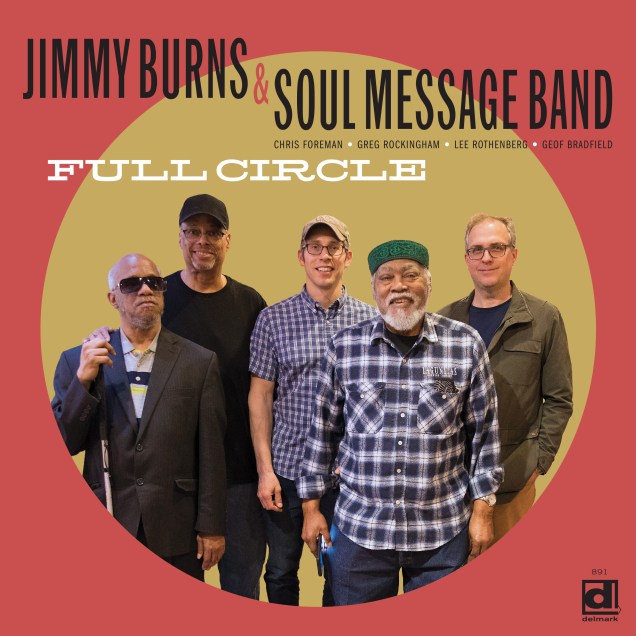
“Full Circle” is such a great name for this fine album by soulful blues singer Jimmy Burns, aging ??? who at the age of 83, has revisited the still-potent music he recorded as long as a half-century ago. ??
This excellent 10-song session gives this splendid vintage music fresh vitality with the Soul Message Band. Burns’ vocals are strong and smooth; the band’s supple soul message behind him lays down a gorgeous late-night club vibe.
Burns was born in Dublin, Miss., where he sang in a church choir (the sanctified origin of much blues and soul music) and learned to play guitar. His favorite blues musician was Lightnin’ Hopkins. Burns’s father was a sharecropper who performed as a singer in medicine shows.
When he was 12, Burns’ family moved to Chicago, where he later recorded some doo-wop with The Medallionaires. He went on to record mostly solo singles in the 1960s, the source for much of the music on this album. Burn’s 1972 single, “I Really Love You,” included here, was named in the top 500 singles of Northern soul in 2000. Burns took a long break from the music industry after the early 1970s to raise his family and run a barbecue stand.
He performed infrequently until the early ’90s, when he returned for a lengthy stint at Chicago’s Smokedaddy Club, when he was signed by Delmark Records and released his debut album in 1996 — “Leaving Here Walking.” The album won Best Blues Record of the Year award from National Association of Independent Record Distributors, and won two W.C. Handy Award nominations (the Handys have since become the Blues Music Awards).
For the retrospective “Full Circle,” Burns suggested a list of some of his favorite songs, and teamed up with the Soul Message Band, featuring Burns on lead vocals and guitar; Lee Rothenberg, guitar; Chris Foreman, Hammond B-3; Geof Bradfield, tenor sax; Greg Jung, alto sax; Greg Rockingham, drums; and Typhanie Monique, vocals.
They open the session with “Express Yourself,” with a soulful Latin groove from 1970, and Burns expressing himself with considerable vigor on the vocals. “World of Trouble” follows, written by Big Joe Turner in 1957, with Foreman swinging a bluesified B3 and a sensual sax solo from Bradfield, all behind Burns’ soulful pipes.
Next is a remastered version of Burns’ uptempo Northern Soul classic “I Really Love You,” written by Robert Newsome in 1970, with Burns’ emotional pleading over Monique’s backing vocals. “Ain’t That Funk For You” is a jazzy instrumental, with Foreman’s B3 dancing merrily with Jung’s alto sax.
“Too Much Lovin’,” written by Lowman Pauling of the fabulous “5” Royales in 1953, gives Burns a chance to soar on vocals again with Monique. “Give Her Love To Me,” written by Charles Colbert, is playful early soul, originally recorded by Burns in 1965. “It Used to Be” is a Burns original with a jazzy guitar interlude and a sassy duet with Monique.
The classic “Since I Fell For You” from Buddy Johnson in 1945 is rendered as a simply gorgeous instrumental; an elegant slow-burning piece of jazz haunted by the blues. Burns churns out “Rock Me Mama,” by Melvin ‘Lil’ Son’ Jackson from 1950, in blues-shouter style, as the band rocks steady behind him. The closer, “Where Does That Leave Me,” by Barry George Despenza and Gregory C. Washington, is another soulful pleasure, leaving us wanting still more.
“Full Circle” not only revisits the early years of Jimmy Burns; it reshapes this powerful music with a modern sensibility without losing its essence. Burns sounds terrific. The Soul Message Band rolls majestically around him; the sultry Hammond B3 pulses throughout. Burns’ vocals, and his choice of songs, are a welcome reminder of just how thoroughly enjoyable a great soul-blues vocalist can be.
Let’s have some more.
Here’s “It Used To Be” from the album:
Tracks and credits: EXPRESS YOURSELF 4:19 Charles W. Wright (Music Power, Warner-Tamerlane Publishing Group Corp, BMI) 2 WORLD OF TROUBLE 6:28 Big Joe Turner (BMI) 3 I REALLY LOVE YOU 4:28 Robert Newsome, Moo-Lah Publ. Co., BMI 4 AIN’T THAT FUNK FOR YOU 5:41 Albert Grey, Second Floor Music, BMI 5 TOO MUCH LOVIN’ 4:26 Lowman Pauling (Fort Knox Music Inc, Trio Music Company, BMI) 6 GIVE HER TO ME 4:38 Charles Colbert (Author Music, Inc., BMI) 7 IT USE TO BE 4:32 James Olin Burns (Silver Fox Productions Inc, BMI) 8 SINCE I FELL FOR YOU 6:46 Woodrow Buddy Johnson (Warner Bros. Inc, ASCAP) 9 ROCK ME MAMA 4:29 Melvin Jackson (EMI Unart Catalogue Inc, BMI) 10 WHERE DOES THAT LEAVE ME?
JIMMY BURNS: VOCALS (ALL TRACKS), GUITAR (9) SOUL MESSAGE BAND CHRIS FOREMAN: HAMMOND B3 ORGAN GREG ROCKINGHAM: DRUMS LEE ROTHENBERG: GUITAR (ALL TRACKS, EXCEPT 4, 8) GEOF BRADFIELD: TENOR SA X (2, 3, 7, 9) GREG JUNG: ALTO SA X (4, 8) GUEST MUSICIANS STEVE EISEN: BARITONE SA X (1, 5, 6), TENOR SA X (1, 6) TYPHANIE MONIQUE: VOCALS (3, 5, 6, 7)
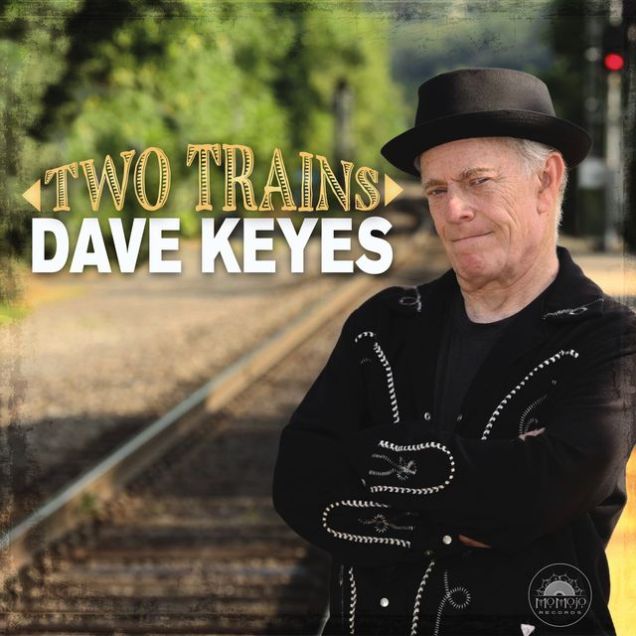
Dave Keyes has put more than 40 years into his two-fisted blues and boogie keyboard work, plus his singing and songwriting, working with countless rock and blues legends, and still finding time for his own illustrious career.
The culmination of all that is “Two Trains,” his eighth album, and a superb musical statement about his journey through American roots music.
“For me this album is about coming home to my roots and paying tribute to all the styles that have influenced me since I was a kid,” Keyes says. “Blues, boogie, country blues, urban blues, gospel and some funky stuff. From Ray Charles to Leon Russell and everyone in between. I’m not a purist, but I respect my roots, and I stand on the shoulders of those that have gotten me here.”
Keyes gets first-rate assistance here from Bernard Purdie and Frank Pagano on drums, John Putnam on guitar and pedal steel, Jeff Anderson and Mike Merritt on bass, Rob Paparozzi on harmonica, Hasan Bakr on percussion, Chris Bergson on slide guitar, Alexis P. Suter and Vicki Bell on background vocals. The late acoustic guitarist Woody Mann plays and sings Big Bill Broonzy’s “Worrying You Off My Mind.” Keyes and songwriting partner Mark Sameth contribute eight of the ten sparkling tracks on the session.
The shuffling toughness of the opener, “Blues Ain’t Looking for You,” sets the tone for what’s in store, with a stinging guitar and sharp harp adding to its power. Keyes romps through “Boogie Till The Cows Come Home” with ferocious abandon before launching the swampy philosophy of the title track. “I’m Alright” is soaked with gospel enthusiasm and glorious call and response.
The soulful gem, “Long Way From Right, Right Now,” arrives with its mournful harp counterpoint to Keyes elegant piano. The complex social commentary of “What Just Happened” gives way to the simple rhythms of the piano instrumental, “Boogie For Patty,” with Keyes’ powerful left hand underlying the melodic boogie-woogie.
“Trust in Love and Fate” shines with optimism, and then Woody Mann shares vocal and guitar with Keyes, both shining on the old-time country blues of Broonzy’s “Worrying You Off My Mind.” The closer is the tender ballad, “Rest In Peace,” an eloquent tribute to his late wife, Pat Cannon,
Keyes says these songs “are topical, both on a personal level and on a world level. There is something here that everyone can relate to: love, loss, joy and pain and how we deal with it all.”
Dave Keyes has given us a fine sampler of music from his heart on “Two Trains.” It’s enjoyable on many levels, but the essence of his music is that it’s thoroughly enjoyable.
Here’s a sample of Dave Keyes live:
Tracklist and credits:
Blues Ain’t Lookin’ For You 3:26 Dave Keyes, Mark Sameth/Keyesland Music ASCAP
Boogie Till The Cows Come Home-3:48 Dave Keyes, Mark Sameth/Keyesland Music ASCAP
Two Trains 2:36 Dave Keyes, Mark Sameth/Keyesland Music ASCAP
I’m Alright 5:49 Dave Keyes, Mark Sameth/Keyesland Music/ Benny Turner- Nola Blue Music(BMI)
Long Way From Right Right Now 5:16 Dave Keyes, Mark Sameth/Keyesland Music ASCAP
What Just Happened 3:00 Dave Keyes, Mark Sameth/Keyesland Music ASCAP
Boogie For Patty 5:00 Dave Keyes/Keyesland Music ASCAP
Trust in Love and Fate 5:09 Dave Keyes, Mark Sameth/Keyesland Music ASCAP
Worrying You Off My Mind 3:17 w/special guest Woody Mann -William Lee Conley Broonzy/ Boot House of Tunes BMI
Rest In Peace 2:31 Dave Keyes, Mark Sameth/Keyesland Music ASCAP
Dave Keyes: Piano, B-3. Lead vocals Bernard “Pretty “Purdie: Drums tracks 1,3, 8 Frank Pagano: Drums tracks 2,4,6, plus Background Vocals tracks 1,2,3,4,6,8 John Putnam: Guitar tracks 1,2,3,4,6,8 and Pedal Steel on track 4 Jeff Anderson: Bass tracks 1,3,8 Mike Merritt: Bass tracks 2,4,6 Rob Paparozzi: Harmonica tracks 1,3,4,5,6 Hasan Bakr: All Percussion Chris Bergson: Slide guitar track 8 Alexis P. Suter and Vicki Bell: Background Vocals tracks 1,3,4,6 Woody Mann: Guitar and vocal Track 9
If there’s any type of blues that makes me sit up and listen these days, it’s the classic sound of real-deal electric blues.
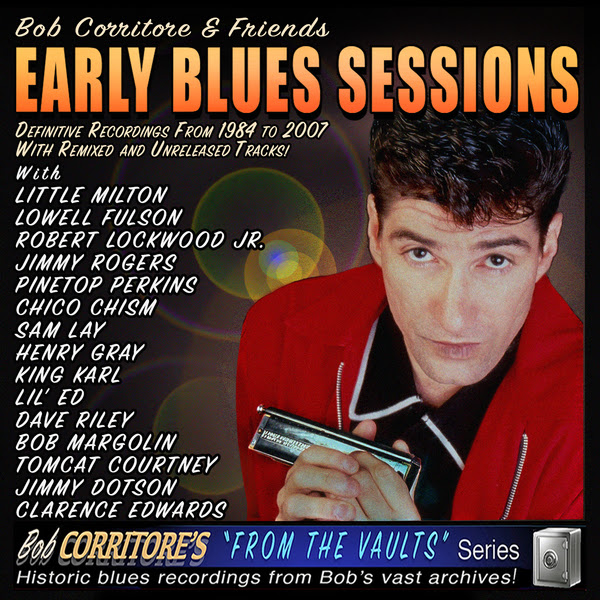
And that’s just what Bob Corritore has conjured up with his latest “From the Vaults” compilation, the magnificently curated “Early Blues Sessions.” Corritore has been recording tracks such as these for years, and his thoughtful productions are keeping the essence of this great music alive and breathing hard.
The 16 songs here, remixed and previously unreleased, span the years 1984 to 2007, and feature artists who’ve helped fire the molten core of the blues. including Lowell Fulson, Little Milton, Jimmy Rogers, Robert Lockwood Jr., Sam Lay, Henry Gray, Pinetop Perkins, Bob Margolin and others. Corritore’s harp work weaves righteously throughout, ??? each song???
The first searing track is Corritore’s previously unreleased 2002 collaboration with the legendary Little Milton, “I Wanna Be the One,” written just for that session. It kicks off the album with appropriate down-home juice, with Henry Gray blending his gusty blues piano seamlessly into the effort, while Corritore takes a fierce solo.
Blues drummer Sam Lay contributes the slow-drag, down-home “So Glad I’m Living,” with its belt-buckle polishing invitation. On a side note, in an example of musical cross-pollination, Lay was the drummer Bob Dylan chose when he introduced his electric self at the 1965 Newport Folk Festival.
Dave Riley offers a shuffling “On My Way,” then Jimmy Rogers creates a jazz-like “She Loves Another Man” that highlights one of the blues’ many facets. Chico Chism digs deep into the classic deep-blue “Five Long Years.” Robert Lockwood Jr. puts his snappy guitar work front and center on the intrumental “The Naptown Blues,” with some elegant organ work midway. Lil Ed brings his nasty slide guitar to “Hip Shakin’,” and Henry Gray returns with the hard-driving “Showers Of Rain.”
The magic of this fine blues journey continues through a lineup that include Lockwood’s memorable “Ramblin’ On My Mind,” Tomcat Courtney, Clarence Edwards, King Karl, Jimmy Dotson and Lowell Fulson, whose closer, “West Texas Blues,” leaves you ready for Volume 2.
“Early Blues Sessions” is a remarkable collection of musicians and their music that highlights the electric essence of classic American blues. Its historical value is exceeded only by the pure joy of the music. Let’s hope that Bob Corritore has more of the same.
Here’s the unreleased 2002 studio track “I Want To Be The One” with Little Milton.
Tracklist: 01. I Want To Be The One (feat. Little Milton) 02. So Glad I’m Living (feat. Sam Lay) 03. On My Way (feat. Dave Riley) 04. She Loves Another Man (feat. Jimmy Rogers) 05. Five Long Years (feat. Chico Chism) 06. Naptown Blues (feat Robert Lockwood Jr.) 07. Hip Shakin’ (feat. Lil Ed) 08. Showers Of Rain (feat. Henry Gray) 09. I Wonder (feat. Tomcat Courtney) 10. Coal Black Mare (feat. Clarence Edwards) 11. Hear That Rumblin; (feat. Clarence Edwards) 12. Cool, Calm, Collected (feat. King Karl) 13. My Fault (feat. Sam Lay) 14. Ramblin’ On My Mind (feat. Robert Lockwood Jr.) 15. Tired Of Being Alone (feat. Jimmy Dotson) 16. West Texas Blues (feat. Lowell Fulson)
About 58 years and 55 musicians ago, in 1967, guitarist Duke Robillard and pianist Al Copley got together in Rhode Island and formed the band Roomful of Blues to re-create the grit of Chicago-style blues.
By 1970, they were exploring the sounds of R&B and jump blues from the 1940s and ’50s. Then they added a horn section, including saxman Rich Lataille, who’s still swinging with today’s Roomful.
While band members have come and gone, their joyous music rolls on, still swinging hard and wringing every last drop of musical pleasure from their little band that sounds so very big.
In addition to their band recordings, Roomful provided backing for notable albums with legends of the blues such as Jimmy Witherspoon, Jimmy McCracklin, Roy Brown, Big Joe Turner, Eddie “Cleanhead” Vinson and Earl King.
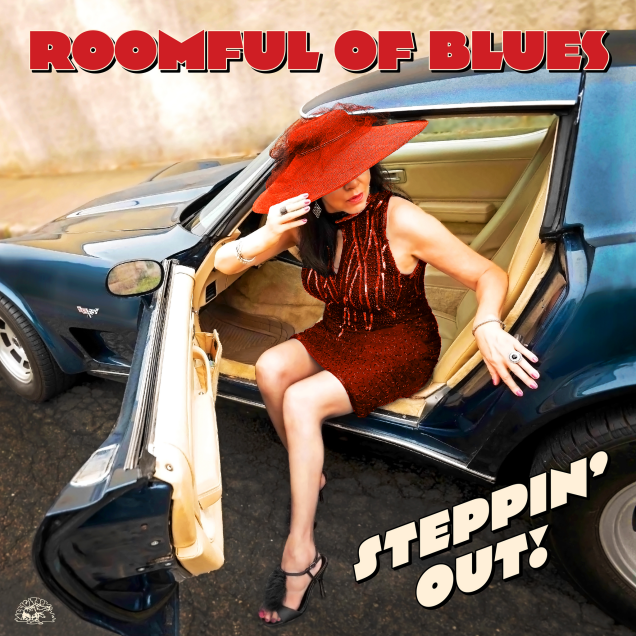
“Steppin’ Out” is Roomful’s 20th album, and its glorious 14 tracks do exactly that behind the sassy vocals of D.D. Bastos, the first female singer to record with the band. Roomful’s current lineup includes guitarist and bandleader Chris Vachon, who first joined in 1990, keyboardist Jeff Ceasrine, bassist John Turner, drummer Mike Coffey, baritone and tenor sax player Craig Thomas and trumpeter Christopher Pratt, plus Vachon, Lataille, and Bastos.
The album opens with sassy horns and rhythmic percussion kicking out a cover of Billy “The Kid” Emerson’s “Satisfied” behind Bastos’ swaggering vocal, and continues swinging its way through a choice assortment of little-known songs from well-known blues legends: Big Mama Thornton (“You Don’t Move Me No More”), Big Maybelle (“I’ve Got A Feeling” and “Tell Me Who”), Etta James (“Good Rocking Daddy”), Buddy & Ella Johnson (“Why Don’t Cha Stop It”), Jimmy McCracklin (“Steppin’ Up In Class”), Tiny Bradshaw (“Well Oh Well”), Z.Z. Hill (“You Were Wrong”), Smiley Lewis (“Dirty People”), and a supremely soulful rendition of James Wayne’s “Tend To Your Business,” with a gorgeous trumpet solo. (Complete track list and credits at end of post.)
“Steppin’ Out” is a sumptuous feast of timeless swinging blues by the equally timeless Roomful of Blues. Bastos’ passionate vocals, drenched in old-school R&B, carry the music to new heights. Enjoy this music soon and often.
Here’s “Steppin’ Up In Class” from the album:
Tracklist:
1. Satisfied 3:36 (William R. Emerson, Riverline Music, BMI) 2. You Were Wrong 2:50 (Z. Z. Hill, Bira Music, BMI) 3. Steppin’ Up In Class 3:27 (Don Robey, Jimmy McCracklin, EMI Unart Catalog, Inc., BMI) 4. Slippin’ And Slidin’ 2:52 (Edwin J. Bocage, Albert Collins, Richard W. Pennimen & James Smith, Bess Music Company & Sony/ATV Songs, LLC, BMI) 5. Please Don’t Leave 3:43 (Wilbert Smith, M. Jones Publishing Co., BMI) 6. Tell Me Who 2:34 (Billy Myles, Screen Gems-EMI Music, Inc., BMI) 7. You Don’t Move Me No More 2:43 (Willie Mae Thornton, Universal Music Publishing Group, BMI) 8. Good Rockin’ Daddy 3:18 (Richard Berry & Joe Josea, Universal Music Careers, BMI) 9. Tend To Your Business 3:00 (Dave Bartholomew, EMI Unart Catalog, Inc., BMI) 10. Well Oh Well 2:44 (Henry Bernard, Sydney Nathan, & Myron C. Bradshaw, Ft. Knox Music, Inc.,/Trio Music Company, BMI/Quartet Music, ASCAP) 11. Why Don’t Cha Stop It 3:16 (Woodrow Buddy Johnson, Sophisticate Music Inc., BMI) 12. I’ve Got A Feelin’ 3:34 (Sidney J. Wyche, Primary Wave 3 Songs, BMI) 13. Dirty People 3:28 (Smiley Lewis, EMI Unart Catalog, Inc., BMI) 14. Boogie’s The Thing 2:50 (Writer and Publisher unknown)
Musicians:
DD Bastos Lead Vocals, Claves (7), Maracas (12) Chris Vachon Guitar, Background Vocals (8, 14) Jeff Ceasrine Keyboards, Background Vocals (8, 14) John Turner Upright Bass Mike Coffey Drums Rich Lataille Tenor and Alto Sax Craig Thomas Tenor and Baritone Sax Christopher Pratt Trumpet
The Mississippi Hill Country blues is an intriguing variation on the music that came out of the Mississippi Delta region and eventually moved to the urban north.
The Hill Country is part of northern Mississippi, bordering Tennessee, and the music that developed there emphasizes rhythm and percussion, often resulting in a trancelike, hypnotic musical groove. One of the first musicians to become widely known for performing in this style was Mississippi Fred McDowell, who influenced later artists like R. L. Burnside and Junior Kimbrough.
Burnside, Kimbrough and other Hill Country musicians (who deserve a much wider audience), such as Othar Turner, and Jessie Mae Hemphill appeared in the 1991 British documentary “Deep Blues,” created by music critic and author Robert Palmer and film maker Robert Mugge, leading to wider knowledge and popularity of the style. Recordings of Hill Country artists followed on the Fat Possum Records label, created just to feature that music.
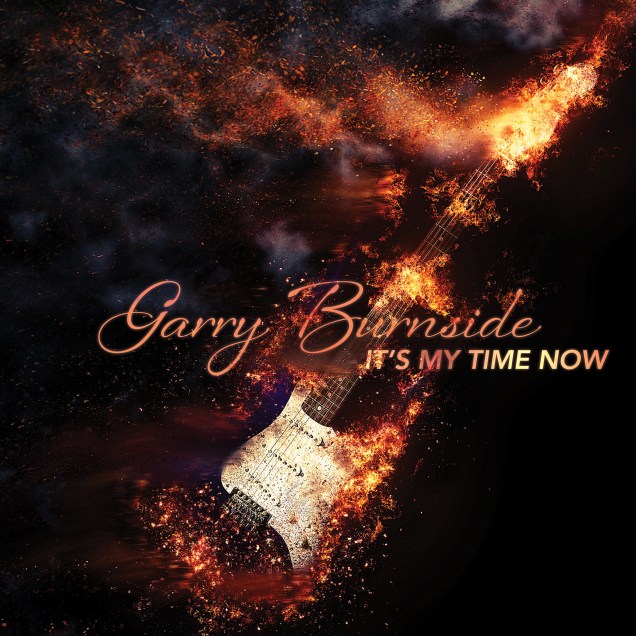
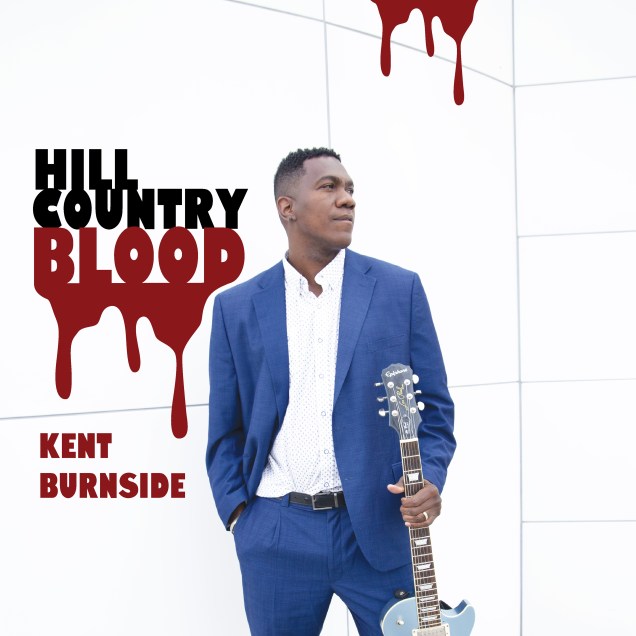
Fast forward through about 30 years of Hill Country artists to the present, as Garry Burnside, R.L. Burnside’s youngest son, and Kent Burnside, R.L.’s grandson, step out with their own albums of original music after years of honing their musical and songwriting skills and developing their own performing styles. Garry’s brother is Duwayne Burnside, who has played with the North Mississippi Allstars, and his nephew and Kent’s cousin is the Grammy-winning Cedric Burnside.
Garry and Kent both released their albums on Aug. 15 (yes, I’m late to the party) and on the same label, and together they’ve created a more contemporary Hill Country sound, but one that’s still deeply infused with their musical heritage.
Garry played for years with Hill Country legend Junior Kimbrough and following Kimbrough’s death in 1998, began playing and recording regularly with the North Mississippi Allstars, the Hill Country Revue, brother Duwayne Burnside (for whom he ghostwrote most of the album, Under Pressure), and Grammy-award-winning nephew Cedric Burnside (with whom Garry received a Grammy nomination for their collaboration, Descendents of Hill Country). Garry has also recorded with blues greats Jesse Mae Hemphill and Bobby Rush, and many others.
Garry describes his music as “Hill Country with a lil bit of funk” and, about the album, says “I spent most of my career playing bass or guitar with other bands, so it feels amazing to say this will be my first album being released with all of my own music on it. Coming up under my pops [R.L. Burnside] and Junior Kimbrough, I learned so much. This album really is a testament to them, what they taught me, and my growth as a musician. I hope it makes them proud.”
“It’s My Time Now” features nine original songs, one co-write with Kimbrough, “Ramblin’,” and one classic R.L. Burnside cover, “Bad Luck City.” Garry’s very personal take on the Hill Country sound features fascinating rhythms and a unison vocal/guitar style that creates a mesmerizing rich and cohesive sound. Three instrumental tracks — “High,” “AGF Out” and “Bad Luck City” add to the musical intensity.
Kent Burnside has also spent a couple of decades building his own style and career, starting as a guitarist in Jimbo Mathus’ post-Squirrel Nut Zippers band in 2005-2006. After leaving Mathus’ band, Kent has fronted his own band at blues clubs and festivals.
Kent’s album, “Hill Country Blood,” includes eight original tracks, with splendid covers of John Lee Hooker’s “Crawling King Snake” and Kimbrough’s “You Better Run.” Kent plays guitar and Garry plays bass. Kent says, “Hill Country Blood is a high-energy, deeply authentic blues experience that honors the past while charging into the future.”
“Daddy Told Me” opens this session with a traditional, hypnotic Hill Country vibe that honors his forebears, while “Hill Country Blood” opens a new vein with a tougher, rocking style, adding a standout guitar solo. “Crawling King Snake” is another fiercely drawn cut. The closer features Garry’s acoustic guitar on Kent’s winsome ballad, “I Miss You,” with sentiments that could have just easily closed Garry’s album.
Taken together, these two excellent albums revisit the origins and traditions of Mississippi Hill Country blues and bring fresh vitality to its storied past. If you’ve never heard this powerful blues style, you owe yourself a musical treat by enjoying both sessions. If you have, you owe yourself the musical treat of this fresh approach, or as Kent says, “charging into the future.”
Here’s a track from each album:
Tracklist for “It’s My Time Now”: High Young Country Boy It’s My Time Now Hanging In There Bad Luck City Ramblin’ Hold My Woman I Been Looking She’s Gone AGF Out Garry’s Night Out (Bonus Track) *CD and Digital Only All songs written by Garry Burnside except Bad Luck City written by RL Burnside and Ramblin’ written by Garry Burnside and Junior Kimbrough
Tracklist for “Hill Country Blood”: Daddy Told Me Hill Country Blood
Crawling King Snake Kent Burnside – vocals, electric guitar Garry Burnside – bass Jake Best – drums Damian Pearson – harmonica I Heard Kent Burnside – vocals, electric guitar Garry Burnside – bass Jake Best – drums I Go Crazy Kent Burnside – vocals, electric guitar Garry Burnside – bass Jake Best – drums Damian Pearson – harmonica One More Chance Kent Burnside – vocals, electric guitar Garry Burnside – bass Jake Best – drums Damian Pearson – harmonica Rob and Steal Kent Burnside – vocals, electric guitar Garry Burnside – bass Jake Best – drums I Can Feel It Kent Burnside – vocals, electric guitar Garry Burnside – bass Jake Best – drums
You Better Run Kent Burnside – vocals, electric guitar Garry Burnside – bass Jake Best – drums I Miss You Kent Burnside -vocals, electric guitar Garry Burnside- acoustic guitar Damian Pearson-harmonica
All songs written by Kent Burnside Kent Burnside Music / Strolling Bones Independent Music Publishing (ASCAP) Except You Better Run by Junior Kimbrough – Music River Publishing Company (BMI) and Crawling King Snake by John Lee Hooker – Universal Music Careers (BMI)
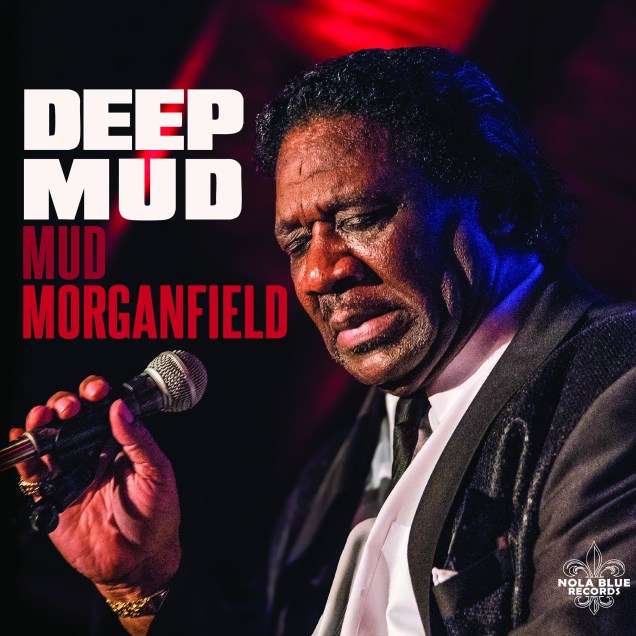
The album “Deep Mud” roars to life with the Chicago blues toughness of “Bring Me My Whiskey” — and its vocal echoes of the legendary Muddy Waters, courtesy of his son, Larry “Mud” Morganfield.I
It’s hard to think of Mud, who just turned 71 on Sept. 27, as a young man helping to cap off his father’s magnificent career as a bluesman. Instead, he’s a polished performer of his own, devoted to the music that is his heritage, whose vocal tone and phrasing just happen to sound a lot like his father’s.
Still, Mud didn’t consider becoming a professional musician until after his father’s death in 1983. And he didn’t really come into his own until the 2000s, when he began to perform more widely and recorded several albums. The old-time classic Chicago blues singer Mary Lane gave Mud some of his earliest opportunities to perform on the West Side. “Deep Mud” is his recording debut on the Nola Blue label.
This album captures the essence of his blues roots, produced by Chicago blues traditionalist Studebaker John, who also plays harp on ten tracks. His regular backers appear here: Guitarists Rick Kreher and Mike Wheeler, drummer Melvin Carlisle, bassist E. G. McDaniel, and keyboardists Sumito Ariyo Ariyoshi and Roosevelt Purifoy. Trumpeter Phil Perkins adds the horn arrangements. Twelve of the fourteen tracks are originals; two come from his father’s considerable body of work.
The music here is pure, unadulterated Chicago blues: “Listen, man” Mud says, “it is Chicago blues. No rock-blues here for Mud. I talk and I sing about real things, real live people, real situations…So, it’s Chicago blues at its best. They ain’t trying to do that no more, but that’s what it is.”
Maybe “they” aren’t trying to do that, but Mud certainly is, and these results breathe new life into this classic music.
The rollicking “Bring Me My Whiskey” and “Big Frame Woman” get the music started in high spirits, followed by the scorching slow blues of “Strange Woman,” written by Muddy the Elder, on which Mud plays bass. Mud’s vocals here are a haunting memory of his dad’s, but that’s no to say that they don’t stand completely on their own. Mud is a powerful singer with a deep, rich voice.
“Don’t Leave Me” flows in behind John’s supple harp, and the upbeat “She’s Getting Her Groove On” adds Perkins’ trumpet and a danceable R&B flavor. “Ernestine” features a rousing, shouted vocal and “Strike Like Lightning” is another slow-dragging gem. “Cosigner Man” brings the horn section back for more R&B with a gospel-like choral backup, and “Lover Man” rides a frisky harp.
“In and Out of My Life” strikes a funkier note, with softer vocals and a backup refrain. “The Man That You’re With” brings back the Chicago sound with a steamy guitar solo and deep blue harp. “Carolina” shuffles in with an ode to “sweet Carolina,” followed by a tough cover of Muddy’s “Country Boy.”
The closer is the eloquently soulful “A Dream Walking,” roused to life with a glorious Purifoy organ intro, and a gospel-drenched lyric that pays tribute to Mud’s late mother, Mildred Williams.
“Deep Mud” is a powerful reminder of the strength and vitality of the classic Chicago blues sound, which was driven to a large extent by the music of Muddy Waters. His eldest son, Mud Morganfield, lets us revisit that era and those blues with his own magnificent musical statement.
Here’s “She’s Getting Her Groove On,” from the album:
Mud Morganfield Deep Mud Track Listing and Credits
More than 6,000 Blues Blast Magazine readers and blues fans voted in the 2025 Blues Blast Music Awards. The nominees and winners are listed below, the winners, of course, in bold.
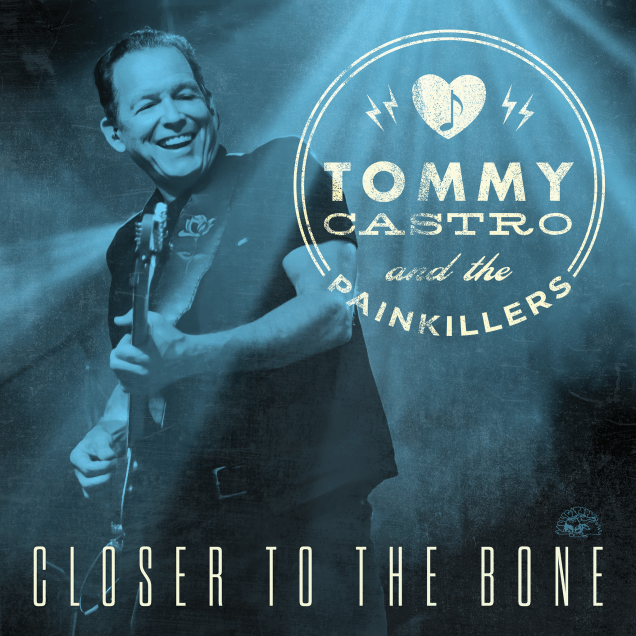
Tommy Castro won for the best contemporary blues album.
The magazine asks a group of music critics, journalists, festival promoters, music venue managers, musicians and other blues music industry professionals to nominate the best in blues over 23 categories. Then readers get to vote.
Blues Blast is a free online magazine, founded in 2007 and headquartered in the U.S. with 45,000 subscribers worldwide.
2025 Blues Blast Music Award Winners
Contemporary Blues Album Andrew Duncanson – California Trap (feat. Michael Peloquin) Chris Cain – Good Intentions Gone Bad Ronnie Baker Brooks – Blues In My DNA Kid Ramos feat. Brian Templeton and Johnny Ramos – Strange Things Happening Tony Holiday – Keep Your Head Up Tommy Castro & The Painkillers – Closer To The Bone
Traditional Blues Album John Primer – Grown in Mississippi Bobby Rush & Kenny Wayne Shepherd – Young Fashioned Ways Bob Corritore & Friends – Doin’ The Shout Eden Brent – Getaway Blues Frank Catalano and Lurrie Bell – Set Me Free Bob Stroger & The Headcutters – Bob Is Back
Soul Blues Album Curtis Salgado – Fine By Me Billy Price – Person Of Interest Tad Robinson – Soul In Blue Sugaray Rayford – Human Decency The Anthony Paule Soul Orchestra – What Are You Waiting For? Johnny Rawls – Make Them Dance
Rock Blues Album Albert Castiglia – Righteous Souls Tab Benoit – I Hear Thunder Mike Farris – The Sound of Muscle Shoals Brody Buster – Redemption Matt “The Rattlesnake” Lesch – Blues Cut Like Glass Ian Siegal Meets Johnny Mastro – Easy Tiger
Acoustic Blues Album Giles Robson & John Primer – Ten Chicago Blues Classics Johnny Iguana – At Delmark Eva Rose & David Pippin – Black Water Blues Catfish Keith – Shake Me Up Guy Davis – The Legend of Sugarbelly Lee Kanehira – The Chicago Blues Piano Trio!! Prakash Slim – 8000 Miles To The Crossroads
Live Blues Album Bruce Katz Band – Back In Boston Live The Blues Giants – Live at Groove Now Eric Johanson – Live In Mississippi Tas Cru – Tas Cru Band LIVE Sean Chambers – Live Featuring The Savoy Brown Rhythm Section Willie Buck – Live at Buddy Guy’s Legends
Historical Or Vintage Recording Frank Bey – Peace Jim Brewer and Dan Smith – Take It Easy Greasy Terry Blade – Chicago Kinfolk: The Juke Joint Blues Bernard Allison – Chills & Thrills Duke Robillard – Roll With Me
New Artist Debut Album Jad Tariq – Jad Tariq Sings Jovin Webb – Drifter Jubu Smith – JUBU Fran Drew and the Lucky Strikes – Trial by Fire Jantso Jokelin – Spark of Luck Christopher Wyze & the Tellers – Stuck in the Mud
Blues Band Of The Year The Anthony Paule Soul Orchestra Tommy Castro & The Painkillers Southern Avenue The Blood Brothers Tab Benoit Band
Male Blues Artist John Primer Chris Cain D.K. Harrell Curtis Salgado Tab Benoit Andrew Duncanson
Female Blues Artist Carolyn Wonderland Eden Brent Ruthie Foster Shemekia Copeland Sue Foley Tierinii Jackson
Sean Costello Rising Star Award Jad Tariq Jovin Webb Stephen Hull Matt “The Rattlesnake” Lesch Harrell “Young Rell” Davenport Tony Holiday
Producer Of The Year Kid Andersen Tony Braunagel Tom Hambridge Mike Zito Bob Corritore Jim Gaines
Electric Guitarist Of The Year Chris Cain Kid Andersen Tab Benoit Laura Chavez Duke Robillard Kid Ramos
Acoustic Guitarist Of The Year Catfish Keith Guy Davis Doug MacLeod Keb’ Mo’ Kevin Burt
Slide Guitarist Of The Year Sean Chambers Derek Trucks John Primer Joanna Connor Robert Randolph Sonny Landreth
Bass Guitarist Of The Year Bob Stroger Rodrigo Mantovani Benny Turner Jerry Jemmott Scot Sutherland Danielle Nicole
Keyboard Player Of The Year Bruce Katz Ben Levin Eden Brent Kenny “Blues Boss” Wayne Johnny Iguana Jim Pugh
Percussionist Of The Year Derrick D’mar Martin Kenny “Beedy Eyes” Smith Tony Braunagel June Core Terrence Higgins Tom Hambridge
Harmonica Player Of The Year Jason Ricci Bob Corritore Dennis Gruenling Kim Wilson Rick Estrin Charlie Musselwhite
Horn Player Of The Year Jimmy Carpenter Vanessa Collier Terry Hanck Sax Gordon Beadle Deanna Bogart Doug Woolverton
Vocalist Of The Year Curtis Salgado Oscar Wilson Andrew Duncanson Tad Robinson Billy Price Bobby Rush


 Blues Roadhouse