Roadhouse Album Review: David Starr’s “Must Be Blue” welcomes his sparkling ‘bluesicana’ music

David Starr — “Must Be Blue” — Quarto Valley Records

David Starr grew up with the blues. Let him tell you what happened as he made his way through his musical life:

“Blues music has always made me feel at home somehow,” he says. “Perhaps because it was some of the first music I heard as a young musician looking for his muse in gritty little clubs in Northwest Arkansas.

“Maybe it has to do with the timeless themes of love and loss, struggle and strife, the loud electrics, the way people can’t help but tap their feet when they hear it … playing blues-influenced songs always centers me in a way that no other music does.

“When I moved to the mountains of Colorado, my influences expanded to Americana and roots, and acoustic guitar became a muse of its own. This album is my version of a blues record, what you might call ‘Bluesicana’ – the grooves and electrics are there, but so is a mandolin. Call it coming home, full circle.”

That bluesicana is what you get on “Must Be Blue,” Starr’s first full album in his self-proclaimed genre, despite the singer/songwriter’s already having 11 other albums to his credit. This one features some Starr originals and heady covers.

The album opener, “Hole In The Page,” brings it all into focus, with tough, driving beat and steamy guitar solo, underscoring Starr’s gritty vocals exploring the heartache of a lost love. “Bringin’ It Back” is a bluesy shuffle, followed by the plaintive theme of “Just Got Back From Baby’s,” a married woman who just might be doing him wrong.

“Lonesome Train” tracks another lost-love saga that rips along, adding that a mandolin Starr mentioned, in a solo that drops right into place. “Listen To The Rain” is a gentle rocker with another railroading lament: “The same train that brought you home to me, is taking you away…”

The original “My Favorite Color (must be blue)” is a slow burning, sort-of title song with a painful look back: “I carried that torch for you until it burned me up…” The lyrical elegance of “Ezra Came To Call” takes a philosophical turn, but maintains a rocking beat, followed by “Time Is a Thief,” another reflection, not on lost love, but lost time: “I see all the things I might have been, how I wish I could start all over again.”

“I Wait For Mine” is another thoughtful musing, this time on waiting for redemption, fueled by stinging guitar licks. The closer is a soaring version of the Allman Brothers classic “Whipping Post,” and there couldn’t be a better conclusion to this sparkling album of bluesicana music.

David Starr may call “Must Be Blue” bluesicana music, looking at it through his blues-themed vision. I call it a damn fine album from a veteran musician who’s pulling together the musical elements of his life and making great music for the rest of us.


Here’s “Hole in the Page” from the album:

Tracklist:
1. Hole In The Page
2. Bringin’ It Back
3. Just Got Back From Baby’s
4. Lonesome Train
5. Listen To The Rain
6. My Favorite Color
7. Ezra Came To Call
8. Time Is A Thief
9. I Wait For Mine
10. Whipping Post

Roadhouse Album Review: Tim Gartland grooves with just the right amount of funk on “Right Amount of Funky”

Tim Gartland — “Right Amount of Funky” — Independent (April 25 release)

On the opening moments of his latest album, “Right Amount of Funky,” Tim Gartland grabs you with an elegant harp filigree intro to “Waste A Worry,” and then holds you fast with the quiet strength of his sonorous voice.

Then, once you’re trapped in the lyrical vortex of his worldy wordplay, you can’t not listen. But that just means you’re in tune with the full impact of Gartland’s impressive musical sensibilities.

Gartland has honed those sensibilities for decades, since he caught the blues as a teenager at a Muddy Waters show in his native Ohio. He moved to Chicago after college, continuing his graduate schooling on the Chicago blues scene. There he studied with Waters’ harp player, Jerry Portnoy, and played with the likes of Bo Diddley, Carey Bell, Big Jack Johnson and Pinetop Perkins. Gartland says he’s been deeply influenced by the greats – Little Walter for his groundbreaking harp style, Ray Charles for his interpretation of a song and Willie Dixon for his songwriting. Not bad for post-graduate work.

Gartland moved to Boston in 1989, and after more refining his skills in that scene, he embarked on his solo recording career with the release of his debut album, “Looking Into the Sun,” in 2011. In 2015, he moved on to his current home in Nashville.

And that eventually brings us to this set of eight sharply crafted songs written or co-written by Gartland with Nashville singer/songwriter Karen Leipziger. Backing up Gartland on the album are Jack Bruno, drums; Mike Joyce, bass; Robert Frahm, electric guitar and Nalani Rothrock on background vocals. Biglittle Recording studio owner and album co-producer with Gartland, Andy Peake, adds percussion and background vocals. Dennis Drummond provides acoustic guitar and backing vocals and Jolie Grace delivers backing vocal support. 

Together they blend into a crisp musical framework that explores Garland’s contemporary lyrical vision with rootsy authenticity.  Gartland says of his songwriting: “The blues is essentially a genre in which the singer is having a cathartic experience. If you write about themes that are meaningful to your experience, you will create something new.”

The aforementioned “Waste A Worry” opens everything up with Gartland’s richly relaxed vocals and a swinging harp solo highlighting its theme: “Don’t waste a worry on me….” The title track, ”Right Amount of Funky” struts out with exactly that — “The groove, that feels true, and makes you move, is the one to use. You know this funk right here, is the right amount of funky for me.”

“A Better Life” (a Leipziger co-write) tackles the theme of immigration with its Latin beat and sharply observant lyrics: “They left home, all they’d ever known, with little more than a pocketful of dreams. A chance at a better life, a promise of what could be.” “Walk Away,” the other Leipziger contribution, follows, and explores a doomed relationship with a bouncy, rocking beat: “The whole attraction was just a distraction….”

“If This Ain’t Heaven” (“it’ll do”) is a joyous love song with still more elegant harp throughout, “Alone Times,” brings a reggae flavor, and “About to Cry” is a slow bit of R&B caught up in its own heartache. The closer, “Stop Working Me” is an upbeat bluesy plea to be free of the world’s hustlers and their too plentiful hustles.

“Right Amount of Funky” is the best kind of music. Tim Gartland creates a light-hearted but thoughtful trip through his world, surrounded by a crisp musical framework. His always elegant harp weaves a bluesy tapestry throughout, and his rich, resonant vocals add power and a world-weary sense that he’s seen it all.

Now you need to hear it all.


Here’s the title track:

Tracks:
01. Waste A Worry
02. Right Amount Of Funky
03. A Better Life
04. Walk Away
05. If This Ain’t Heaven 
06. Alone Times
07. About To Cry
08. Stop Working Me

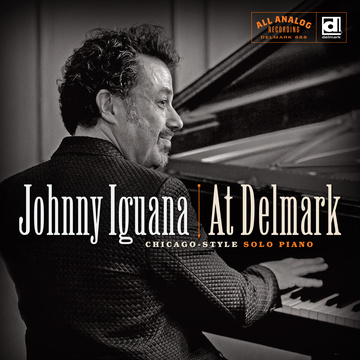
Roadhouse Album Review: Johnny Iguana creates ebony and ivory magic with “At Delmark – Chicago Style Solo Piano”

Johnny Iguana — “At Delmark” — Delmark Records

Johnny Iguana’s latest album is quite a departure for the keyboard wizard whose music is most often found as part of a Chicago blues band — and he’s worked with some of the best, including Junior Wells and Otis Rush.

The album is a solo session, just Iguana and a vintage 1917 Steinway B that lives at the home of Delmark Records. The session was recorded as if it were a club show — in unedited single takes, and straight to analog tape. The sound it makes is simply splendid.

The result is a sparkling blend of magnificent greats and five new originals, all instrumentals. As Iguana (aka Brian Berkowitz) tells it:

The cover songs here range from ones I’ve been doing on stage for years to ones I just started playing. The original compositions are all very new. In fact, some were arguably still in development when these sessions arrived…so, there is searching and discovery caught on tape. I thought all the covers made for entertaining solo piano pieces…all have blues on top or somewhere inside…at their root.

Iguana launches the session with a rollicking rendition of a Little Brother Montgomery blues, “Bass Key Boogie,” followed by a dynamic, orchestral-sounding version of Neil Young’s “Heart of Gold.” The original “For Dancers Only” highlights Iguana’s unique creativity, mixing doo-wop, boogie-woogie and danceable rhythms into a land of many dances.

“Stormy Night at a Moroccan Blues Bar,” another original, adds international intrigue, and “Messin’ With the Kid” returns to the blues with the toughness of the Junior Wells chestnut. More originals follow: “Tripping in a French Ambulance” floats then struts along, all somewhat trippily, and “One More, for the Cleaning Crew,” sweeps in with an offhanded lightness of being.

A rocking version of Check Berry’s “You Never Can Tell” rolls along on New Orleans rhythms, then “You Belong To Me,” splendidly revives the Magic Sam opus with a thunderous left hand. The original “Welcome Distractions,” just feels magnificent. The hard-pounding “Riff Raff” is anything but, and the closer, “Roll ‘Em,” pays tribute to Jay McShann with a rocking boogie beat.

“At Delmark” is a masterful effort. It rocks, it swings, it draws from jazz and classical sources, it lionizes the blues piano — and it gives Johnny Iguana a chance to display his dazzling Chicago keyboard chops in what is essentially an effervescent live concert. Give this piano man a listen!


Here’s an interesting interview with Johnny Iguana by Michael Limnios at Blues GR.


Johnny Iguana with Billy Boy Arnold:

Tracklist:

➊ Bass Key Boogie 2:58
Little Brother Montgomery (Delmark Records Admin)
➋ Heart of Gold 2:30
Neil Young (Silver Fiddle Music, ASCAP)
➌ For Dancers Only 2:20
Brian Berkowitz (Om God Music, ASCAP)
➍ Stormy Night at a Moroccan Blues Bar 3:01
Brian Berkowitz (Om God Music, ASCAP)
➎ Messin’ with the Kid 4:16
Mel London (World International Publishing Co, BMI)
➏ Tripping in a French Ambulance 3:32
Brian Berkowitz (Om God Music, ASCAP)
➐ One More, for the Cleaning Crew 2:43
Brian Berkowitz (Om God Music, ASCAP)
➑ You Never Can Tell 3:21
Chuck Berry (Isalee Music Productions, BMI)
➒ You Belong to Me 4:08
Samuel Maghett (Conrad Music, Leric Music, BMI)
➓ Welcome Distractions 2:22
Brian Berkowitz (Om God Music, ASCAP)
⓫ Riff Raff 3:56
Young, Young, Scott (Australian Music Corp. PTY Ltd., APRA,Sony/ATV Tunes, ASCAP)
⓬ Roll ‘Em 3:06
Jay McShann (Delmark Records Admin)

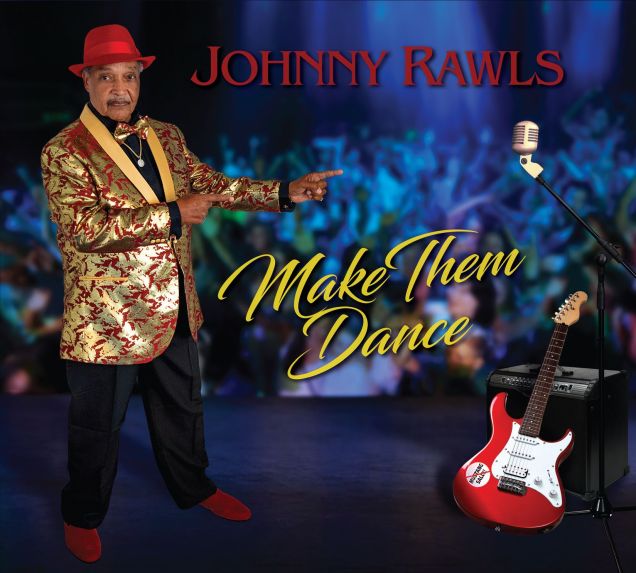
Roadhouse Album Review: Johnny Rawls offers splendid vintage soul on “Make Them Dance”

Johnny Rawls — “Make Them Dance” — Catfood Records

Johnny Rawls has been making sweet, sexy soul music for more than 50 years.

After learning to play guitar in his teens. Rawls’ schoolteacher in Purvis, Miss., got him gigs backing musicians who were touring the area, such as Z. Z. Hill and Joe Tex. In the mid 1970s, Rawls joined soul great O. V. Wright’s band, later became his music director and played with him until Wright’s death in 1980. The band then continued as the Ace of Spades Band for another 13 years.

Rawl’s career since then has been colored with blues awards from every spectrum: The Blues Music Awards, Blues Blast Awards, Living Blues Awards, and the W. C. Handy Awards have all acknowledged Rawls with multiple awards and nominations, including Soul Blues Album of the Year and Soul Blues Artist of the Year. Living Blues magazine described him as a “soul-blues renaissance man” when he was featured on the cover in 2002. Three of his albums have made the DownBeat Magazine Critics’ Choice Best of the Year List.

Rawls is noted on two markers along the Mississippi Blues Trail – one in Hattiesburg, Miss., and another, of all places, at Marker 110 in Rockland, Maine, testifying to the migration of blues from Mississippi to Maine (check out this bit of blues history here). Rawls’ first recorded with other musicians, but his first solo album, “Here We Go,” was released in 1996, and since then he’s released an album almost every year.

“Make Them Danceincludes songs written by Rawls, Catfood label head Bob Trenchard, or co-written by the two. The soulful backing band includes Rawls on rhythm guitar, Wil McFarlane – guitar; Bob Trenchard – bass; Steve Potts – drums; Dan Ferguson – keyboards; Andy Roman – sax solos; Mike Middleton – trumpet; Nick Flood – baritone/tenor/alto sax; Frank Otero – trombone; with guests Claton Ivey on keys, Jamie McFarlane on bass, Justin Holder on drums and backing vocals by Kimberly Horton and Trinecia Butler.

The session opens with the bouncy, horn-fed and very danceable groove of “So Cold,” followed by “Dreams of You,” a romantic slow-dance ballad featuring Rawls’ soulful pipes with elegant background singers. The title track steps out with a funky beat and the tempting refrain: “Make them dance all night long.” The aching “Move in My Direction” lets Rawls vocal weep at its pleading best.

“Costs Too Much,” Rawls’ sole solo creation, swings in hard on another strong groove with dance rhythms very much afoot. “Give It To Me,” leans on horns and organ for a tough bluesy sound. On “Rip Off the Bandage,” Rawls shouts the pain of a broken relationship. The sensual “Say That You Love Me” reaches deep into primeval soul for an answer to its heartache, while “Swimming with the Sharks” throbs with more danceable grooves.

The closer is the autobiographical “The Long Road,” a Rawls’ career reflection mirrored by gorgeous horn arrangements in the finest soul music tradition.

About this album, Rawls says:

“This new Johnny Rawls album is called “Make Them Dance” and that’s what it’s going to make you do,” he says. “I have some great love ballads on here, too; some of my best work and produced by the great Jim Gaines. One of the tracks on this is the song, ‘Move In My Direction,’ and that’s what you should do: move in the direction that Johnny Rawls is going.”

You would do well to pay attention to Johnny Rawls. And his music. He knows whereof he sings!


Here’s some Johnny Rawls from a previous album:


Tracks and credits:

  • 1  So Cold 3:57  (William Harmon & Bob Trenchard 2019)
  • 2  Dreams Of You 3:52  (Bob Trenchard & Johnny Rawls 2025)
  • 3  Make Them Dance 3:21  (Bob Trenchard 2025)
  • 4  Move In My Direction 4:31  (Sandy Carroll, Stephanie C. Brown & Will MacFarlane 2025)
  • 5  Costs Too Much 4:01  (Johnny Rawls 2025)
  • 6  Give It To Me 3:03  (Bob Trenchard & Johnny Rawls 2025)
  • 7  Rip Off The Bandage 3:25  (Bob Trenchard & Johnny Rawls 2025)
  • 8  Say That You Love Me 3:11  (Bob Trenchard 2025)
  • 9  Swimming With The Sharks 3:20  (Bob Trenchard & Johnny Rawls 2025)
  • 10 The Long Road 3:14  (Bob Trenchard & Johnny Rawls 2025)
    The musicians:
  • Johnny Rawls – vocals all tracks & rhythm guitar
  • Will McFarlane – guitar
  • Steve Potts – drums
  • Bob Trenchard – bass
  • Dan Ferguson – keyboards
  • Jamie McFarlane – bass track 4
  • Clayton Ivey – keys track 4
  • Justin Holder – drums track 4
  • Mike Middleton – trumpet
  • Andy Roman – sax solos
  • Nick Flood – baritone sax, tenor sax & alto sax
  • Frank Otero – trombone
  • Kimberly Horton – background vocals
  • Trinecia Butler – background vocals

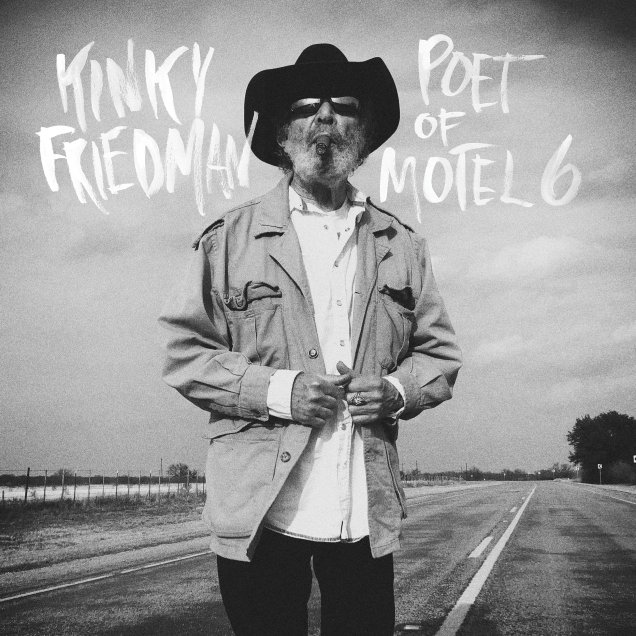
Roadhouse Album Review: Kinky Friedman’s final album, “Poet of Motel 6,” is an eloquent tribute to his many-colored life

Kinky Friedman — “Poet of Motel 6” — Hardcharger Records

Richard Samet “Kinky” Friedman was one interesting character. (The “Kinky” part was a nickname from his youthful curly hair.)

He wasn’t a bluesman, but he was definitely a practitioner of Americana music — although his music was sometimes described as alt-country. No matter what it was called, Friedman’s music pushed the boundaries of good taste and satire, making a name for himself with his band, Kinky Friedman and The Texas Jewboys, formed in 1973. It was thought to be a play on the name of the legendary Bob Wills and His Texas Playboys. But with Friedman, you could never be sure what he really meant.

They recorded songs with a bite, like “They Ain’t Making Jews Like Jesus Anymore” and “Asshole from El Paso,” and Friedman’s cowboy hat, shades and cigar became part of the image of the countrified hipster, satirical comic and cultural critic that he rode throughout his life. He died in June 2024.

I also enjoyed him for the series of detective novels he wrote, starting in the 1980s, with none other than himself as the crime-solving protagonist. The titles were always interesting, such as: “Kill Two Birds and Get Stoned” (2001) and “God Bless John Wayne” (1995). I also liked his ever-present cigar, and the fact that he once started his own line of cigars (I tried one; it was pretty good.).

And I admired his social consciousness. He founded a ranch for rescue animals, as he and his sister, Marcie, ran Echo Hill Ranch in the Texas Hill Country, which they inherited from their parents and which they offered as a summer camp, free of charge, to children of parents killed while serving in the U.S. military. Although he was born in Chicago, Friedman’s family moved to the Hill Country when he was young, where they opened Echo Hill.

And I was especially impressed when he ran for governor of Texas in 2006. He was a serious candidate, but I fondly remember his answer to one interviewer about why he was running: “I need the closet space.” The closets were never to be, as Friedman was defeated, receiving 12.6% of the votes, coming in fourth in the six-candidate lineup.

I’ve listened to Friedman’s final, posthumous album, and it’s a fine one. It’s filled with gently graveled vocals telling stories of life and loss, and though it may not have been intended as such, it’s an eloquent tribute to Friedman’s life.

I’m going turn over the album’s description to Raoul Hernandez, a music journalist entrusted to write Friedman’s website bio, where he elegantly explains Friedman’s final session:

“Poet of Motel 6” opens the album upon its producer’s bed of strings – mandolin, dobro, acoustic guitar – which all bounce a rousing and rising strum of mood and motion that encases Kinky’s folksy croon: tangy, twangy, intimate. Dressed with Joel Guzman’s Texican squeezebox, Mansfield’s country fiddle, and preternatural accompaniment from Panhandle whisperer Jimmie Dale Gilmore, the song at first appears autobiographical before unfolding a stirring ballad for Lone Star song prophet Billy Joe Shaver.

“May you lay in a field of stars, serenaded by a million guitars / playing songs of your honky-tonk youth / playing songs of your beautiful truth.”

Gilmore’s tickling harmony lopes behind Kinky’s ambling, heart-on-leather-vest recollection of his great friend, Waco’s poet laureate, who passed away in 2020. Finally the music parts up to the firmament itself and the main attraction intones: 

“And then, one uncloudy day, God’s voice was heard across the heavens and this is what he said: ‘Ladies and Gentlemen, please welcome Billy Joe Shaver.’”

Willie Nelson himself might shed a tear right there – for both the song’s subject and its singer.

“Hello, Good Morning” follows up with a back-porch ramble that embodies the entire album, which sounds like Kinky holding court at the fire pit, Kinky holding court in the main cabin living room, and Kinky courting the wide open range and wherever Texas roots music bubbles up from the Earth as a natural resource. And speaking of Willie, his daughter Amy Lee Nelson steps up here with a second vocal that conjures an honest-to-God Gram and Emmylou moment.

“Buddy, You’re Living My Dream” sounds like a tune Guy Clark found on his work bench and gave to Joel Guzman, who breathed life into it with his accordion before Kinky walked in and ordered drinks for the entire establishment.

Willie joint to be? Just as the Red Headed Stranger covered Clark’s “My Favorite Picture of You” late in the day, the man who ever only refused Kinky a single favor out of countless will want a crack at “See You Down the Highway.” In fact, the country titan’s lieutenant Mickey Raphael already blows harp on it:

“Are you going my way, dear old pal of mine? / We will never make enough money, love or time / But we’ll be dancing on the shoulder of the highway of the mind.”

Shout out to co-author and late L.A. song pundit Chuck E. Weiss.

“The Life & Death of a Rodeo Clown” pushes back from the table with a clip-clopping twirl and Mariachi horn. “Hummingbird Lanai” hums a languid lullaby to the elements – sky, sea, and land – on an island of the heart. “Kacey Needs a Song” reminds us Kristofferson wrote a Casey song once and would’ve commended his comrade here for this one.

Poet of Motel 6 finale “Whitney Walton Has Flown Away” opens with a lei lapping at the toes of trumpet, fiddle, and is that Mansfield on singing saw? Climb inside and sail away. Westward ho, to see Kinky once more.

Read the Kinkster’s bio in the link below. Light up a cigar. Check out the music. Read one of his novels. I hope you’ll become a fan.


Friedman’s bio from his website.


Here’s the title track:

Tracklist:
01 – Poet of Motel 6
02 – Hello, Good Morning
03 – Buddy, You’re Living My Dream
04 – See You Down the Highway
05 – The Life and Death of a Rodeo Clown
06 – Sometimes
07 – Banjo, Sophie, and Me
08 – Hummingbird Lanai
09 – Kacey Needs a Song
10 – Whitney Walton Has Flown Away

Roadhouse Album Review: There’s no escaping the soulful blues on “California Trap” from Andrew Duncanson

Andrew Duncanson — “California Trap” — Run It Back Records

Passionate singers of soulful blues have been disappearing into the musical mists of time for at least the past half-century. Their voices are fast becoming as scarce as sunshine on a cloudy day.

But then there is Andrew Duncanson, who for more then twenty years has been reaching deep into that primeval source and adding his own deeply soulful voice to the music. He has been the voice of the Kilborn Alley Blues Band, and more recently The Dig 3, a trio whose name was inspired by Willie Dixon’s Big Three Trio. California Trap is Duncanson’s first solo album, and he’s paired here with co-producer Michael Peloquin, who also contributes his talents as a horn arranger, songwriter and harmonica player. Kid Andersen is also co-producer of the session, recorded at Andersen’s Greaseland Studios.

Great soul and R&B music has traditionally been rich with horn sections, and they resonate throughout this album, with Peloquin’s sassy brass charts kicking the music into a higher gear. Duncanson has also been gifted with a songwriter’s voice, so California Trap is mainly original songs – with one from Peloquin – and a couple of fascinating covers.

Everything opens with the lilting, horn-laced R&B of “Relearning to Climb,” with its optimistic tone: “I’m trying a new state of mind, re–learning to climb.” Then Duncanson leans into his regrets in a lover’s lament with “Naw Naw Naw” – “I’m sorry baby—for being untrue / But you got to do, yeah—oh just what you got to do.” “Hold Me Back” floats in on a harp intro, then then pounds out a delicious shuffle with Duncanson’s equally tough attitude and vocal: “You never drove a used car, never had your ass kicked in a bar / If I see you in a tavern, Jack – It’d take all twelve apostles, to hold me back.”

California Trap is a gorgeous blues with a stinging guitar that summons Duncanson’s vocal from its soulful depths, enhanced by some down-home piano: “I’m leavin’ in the morning, baby will you take me back / You know that California sun, ain’t nothin’ but a trap.” A joyous “That was good!” shout at the end says it all. “Town Saint” steps out to a funky beat with a chunky bass line and a soaring sax solo with a flourish of hypocrisy: “He’s got scars from the woman that he loves / Wakes up every day and thanks the lord above.”

“Outer Space” is a stellar bit of musical whimsy launching a desire to cast aside earthly restraints: “Getting ready to jump—jump into outer space / Been sittin’ too long, sittin’ too long, in one damn place.” Peloquin’s original “What Kind Of Man” is a gently soulful plea asking “What kind of man does she want—what kind of fool has he been,” and answering, “Now he’s the man that she wants, not the fool he used to be.”

Duncanson says that Peloquin suggested this swinging cover of Woody Guthrie’s anthemic “This Land Is Your Land,” inspired by an old version by Sharon Jones and the Dap-Kings, adding Andersen’s funky bass line. “Feelin’ Better Now” opens with a bluesy Peloquin harp and pulses along in a solid R&B vein, with a wicked harp solo midway: “Well, I was feelin’ low, snake’s ass in the mud / Now I’ve got my good sweet baby, bringin’ all that love / Feelin’ better now, feelin’ better now.”

Duncanson’s aching vocals reach deep for the plaintive “Next Life,” echoed by sympathetic horns and a haunting guitar solo: “Everything I thought I knew turned out to be untrue … Oh what a mess, the next life will be the best.” The rhythmic “More Lows Than Highs” chugs in with soaring horns as a bouncy counterpoint to its existential theme: “Sure as you’re born—you gonna die / And there’s more lows — more lows than highs.”

The other cover, “It’s A Pleasure,” by Might Mike Schermer (who Tommy Castro calls “Probably the best blues guitarist, singer and songwriter you’ve never heard of”) is an upbeat ode to friendship, with Peloquin’s eloquent harp solo, “No matter where this road may end / It’s a pleasure to call you my friend.” The closer, “Better Off Now,” offers an uplifting finale to this gorgeous musical outing: “Oh, that’s how I feel and I need you to know / That I’m better off now, than I used to be / I’m better off now, oh than I used to be.”

We’re all better off now that Andrew Duncanson has given voice to California Trap. His passionate vocals sing with authenticity in a musical style where authenticity is the blues standard. You won’t want to escape the sheer musicality of the California Trap.


Here’s “Relearning to Climb” from the album:

Tracklist:

  1. Relearning To Climb 2:59
  2. Naw Naw Naw 4:31
  3. Hold Me Back 3:04
  4. California Trap 3:12
  5. Town Saint 5:33
  6. Outer Space 4:02
  7. What Kind Of Man (Michael Peloquin-BMI) 4:58
  8. This Land Is Your Land (Woody Guthrie & TRO-Ludlow Music, Inc. -BMI) 4:08
  9. Feelin’ Better Now 4:21
  10. Next Life 4:10
  11. More Lows Than Highs 3:11
  12. It’s A Pleasure (M. Schermer/Bentsongs-BMI) 3:07
  13. Better Off Now 4:04

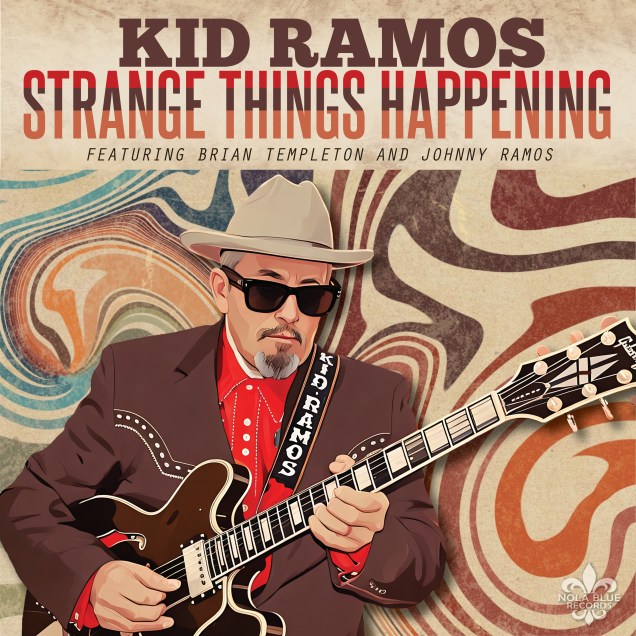
Roadhouse Album Review: Kid Ramos combines blues and gospel in “Strange Things Happening”

Kid Ramos — “Strange Things Happening” — Nola Blue Records

“Strange Things Happening” is an unusual new album from a veteran bluesman — a gospel album.

The blues-gospel combination itself isn’t all that unusual, but this is the reverse of, historically, how blues and soul music has emerged from the church through performers who moved from the sacred to the secular in their careers.

This album also stretches me out of my blues comfort zone. I’ve always been aware of the presence of gospel music in a historical way but have not until recent years paid much attention to the actual music, except for enjoying the occasional performance. That’s my loss.

The difference in recent years has been my attention to a radio program (yes, radio) broadcast weekly on WMNF, a community radio station in Tampa, Fla. I’m talking about The Rhythm Revival, a show hosted by the Rev. Billy C. Wirtz and Marvelous Marvin Boone. Both are walking encyclopedias of music history, and the show features recordings that explore the roots of rock, blues, R&B, soul, country and gospel — and examine the intimate and often little-known relationships between them. Boone and Wirtz do this by simply playing the music and decoding what has been called the secret handshake between gospel and its musical brethren.

All of that is a long-winded introduction to this fine album, featuring classic and original gospel songs, driven by the signature guitar work of Kid Ramos, a veteran of more than 40 years The California native  has been a member of the James Harman Band, The Fabulous Thunderbirds, The Mannish Boys, Los Fabulocos and The Proven Ones. He has received 14 Blues Music Award nominations. This is his first album in five years.

The vocals are provided mainly by Brian Templeton, another 40-year music veteran. He was the voice of The Radio Kings and has performed with Jerry Portnoy, Sonny Rhodes, James Cotton, and Otis Grand. His record label, Straight Street Records, presents his approach to Christian music. Ramos’s son, Johnny Ramos, a singer/songwriter and guitarist from southern California, shares in the vocals. The session includes Dave Limina on Hammond organ, bassist Mike Tuturro, and Stephen Hodges on drums.

This stirring session opens with what may be the best-known “popular” gospel record, and arguably one of the most influential — “Strange Things Happening Every Day,” a traditional gospel song recorded in 1944 by Sister Rosetta Tharpe. She sang and played gospel with a wicked electric guitar in what could easily be described as one of the first rock ‘n’ roll records. Her electric guitar stylings did not go unnoticed. Chuck Berry once said: “My whole career has been one long Sister Rosetta Tharpe impersonation.” That song is a great choice to lead off this album, with Ramos rocking the guitar highlights and Templeton impressively handling the vocal.

“How I Got Over” was written by Clara Ward in 1951, and its R&B flavored licks roll behind Templeton’s rousing soulful vocal. “I’m Working On A Building” was written by A.P. Carter, head of the Carter Family, with another uplifting, blues-shouter vocal by Templeton, backed by Limina’s exuberant organ and sharp Ramos guitar solo. The delicate “Oh, What A Meeting” was written by gospel legend Arthur Lee Crume and greatly enhanced by a luminous vocal from Johnny Ramos.

“Jesus Dropped The Charges” was written by Bishop Richard “Mr. Clean” White and gets rollicking vocals from Templeton as the band powers him along. “An Answer for Isaac,” written and sung by Templeton, expands its message with a powerful fuzztone, grunge-like sound.

“God Walks The Dark Hills,” by Audrey Czarnilow, features another gorgeous vocal by Johnny Ramos, then “Satan’s Jeweled Crown” features a duet between Templeton and Johnny Ramos. The song was written by the virtually unknown Edgar Edens and recorded by the country and gospel duo, the Louvin Brothers in 1959.

“Nobody But The Lord” is the second song from Templeton, then“Every Grain of Sand” covers a Bob Dylan song. “More Love Than Power” is another stunning duet with Johnny Ramos and Templeton. The closer is “I’m A Pilgrim,” an upbeat and uplifting written by Senior Roy Crain and sung by Templeton.

The inspiration for this record came when Kid received a phone call from an old pastor friend, James Rasmussen. “James decided he was going to start supporting musicians that were playing gospel music and spread the word that way, and he wanted to know if I wanted to make a God record. Of course I had to call my brother Brian Templeton and he was down for the project. We recorded everything live in basically two days.” Ramos says that “My first gospel record is really from the heart, and I hope people enjoy it.”

It’s hard to not enjoy this special album, combining the power of Ramos’s West Coast blues with the passion of great gospel music.


Here’s “Strange Things Happening” from the album:

Tracklist:
1. Strange Things Happening (Feat. Brian Templeton) (4:38)
2. How I Got Over (Feat. Brian Templeton) (5:39)
3. I’m Working On A Building (Feat. Brian Templeton) (3:49)
4. Oh, What A Meeting (Feat. Johnny Ramos) (7:09)
5. Jesus Dropped The Charges (Feat. Brian Templeton) (5:39)
6. An Answer For Issac (Feat. Brian Templeton) (4:56)
7. God Walks The Dark Hills (Feat. Johnny Ramos) (5:10)
8. Satan’s Jeweled Crown (Feat. Brian Templeton & Johnny Ramos) (4:10)
9. Nobody But The Lord (Feat. Brian Templeton) (3:28)
10. Every Grain Of Sand (Feat. Brian Templeton) (6:20)
11. More Love, More Power (Feat. Johnny Ramos & Brian Templeton) (4:54)
12. I’m A Pilgrim (Feat. Brian Templeton) (5:43)

Roadhouse Question: Who is reading and where are you?

I have been writing the Blues Roadhouse blog for about five years, and I seem to have been building something of an international audience. I’m not complaining! I’m very grateful.

But I’m curious.

I use WordPress software, which tells me how many of you show up, what pages you read, and what country you are from. I’m impressed by the constant stream of visitors from countries other than the US of A, where I live and work (Largo, Florida, if you’re interested). The blues is truly an international language.

So my question is: Would any of you from the world beyond me like to let me know what city or location you are in? I’m not compiling a database or trying to target any ads (I have nothing to advertise, except the Roadhouse!). I’m just curious as to where you are, and maybe, what you like, or don’t like, about these posts.

So, if you are so inclined, please let me know in the comments.

Thank you all very much. Your readership is greatly appreciated.

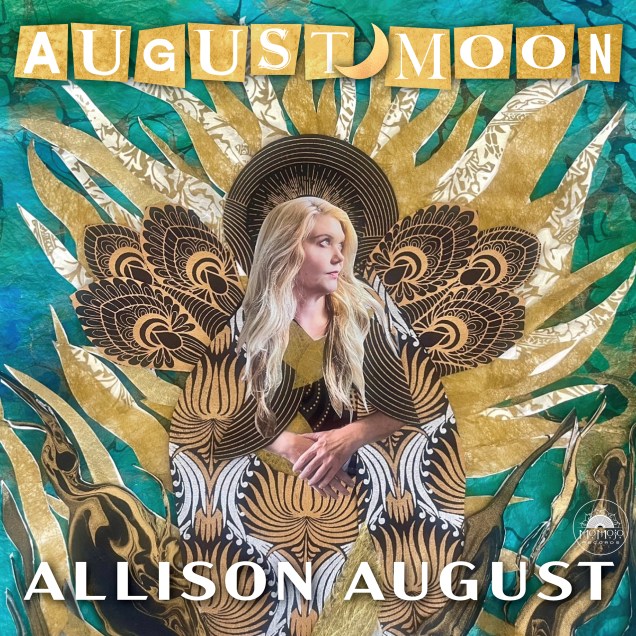
Roadhouse Album Review: Allison August’s talents shine on “August Moon”

Allison August — “August Moon” — MoMojo Records

Allison August’s bright new album, “August Moon,” has been in the works since Covid interrupted its development, but its release shows it was worth the time it took to craft this exemplary package of original songs.

Each track reflects a moment in August’s personal journey and shines on her effortless ability to blend a variety of styles to her personal musical vision, propelled by soulful vocals and a crackling band of backers.

The session was produced by Grammy-winner Tony Braunagel (who plays drums on most tracks), backed by a stellar cast of musicians that includes, including Paul Barrere (guitar); Mike Finnigan (keyboards); Lenny Castro (percussion); Bob Glaub (bass) and backup vocals from Teresa James, Gregg Sutton and Maxayn Lewis. (See the full cast on each song below the video.)

Also guesting is blues powerhouse Sugaray Rayford, in a scorching duet highlight on the funkified “I Won’t Say No,” with August matching Rayford with her own lusty pipes.

August has provided her own thoughts on the songs here, showing how each one evolved from her life and experiences. It’s a special window into her musical creativity, and I’ll let her speak for herself:

“Afraid of Love” is a funky little jam about being torn between wanting love and connection but being too guarded to let down your defenses. “Dashboard Madonna” is about my love/hate relationship with Los Angeles. It is a creative hub for artists and musicians with beautiful beaches, mountains and palm trees, but also filled with people struggling with poverty and homelessness.

“I Won’t Say No” is the story of friends and lovers who struggle navigating their complicated relationship. “What Would Mama Say?” takes me back to my early twenties when life was carefree and fun, but pretty confusing, and my mother’s attempts to protect and guide me with (usually unheeded) advice.

“Blue Eyed Boy” is about my son, our deep connection, and trying to navigate parenting a teenage boy. “Honey Jar” is a Wood Brothers song that seeps into your bloodstream and makes you dance whether you want to or not.

“Desiree” is my beloved cousin who passed away several years ago. She was a bright light in this world and known to kids in the neighborhood as “Mama Dez.” This song is my way of honoring her. “Dog In You” reflects life’s trials and tribulations, which often lead to great stories – and this is one of them.

“Blues Is My Religion” explores my disappointment with the misinterpretation of the teachings of the bible and other religious texts and how they are used to marginalize different groups of people instead of bringing them together in peace, love and respect for all man (and woman) kind.

“The Cure” came about while my friend Paul Barrere and I were both battling cancer. We would commiserate about the side effects of treatments, and I’d say, “talk soon,” to which he’d reply, “If the cure don’t kill me first!” Anybody who knew Paul was privy to his sometimes, morbid sense of humor, and I really miss him. “I Ain’t Lyin'” talks about wanting to keep things simple in relationships by telling it like it is.

“Born Yesterday” is my ode to making the most of what you’ve got and aiming for the stars even when it seems the cards are stacked against you and daring to believe in yourself when no one else does.

“August Moon” is packed with creative songwriting, sparkling musicality and powerhouse vocals that refuse to be eclipsed. Shine on Allison August!


Just who is Allison August? Here’s an interview with Michael Limnios of Blues GR.


Here’s a live performance by August:

Track Listing and Credits

1)Afraid of Love: Drums – Bryan Head, Bass – David J. Carpenter, Guitar – Sam Meek, Organ – Phil Parlapiano, Percussion – Lenny Castro, Saxophone – Joe Sublett, Trumpet – Les Lovitt, Backing Vocals – Maxayn Lewis & Jen Castonon, Lead Vocals – Allison August

2)Dashboard Madonna: Drums – Tony Braunagel, Bass – David J. Carpenter, Guitars – Paul Barrere & Billy Watts, Piano – Mike Finnigan, Violin – Don Teschner, Percussion – Lenny Castro, Backing Vocals – Teresa James & Gregg Sutton, Lead Vocals – Allison August

3)I Won’t Say No: Drums – Tony Braunagel, Bass – David J. Carpenter, Guitar – Sam Meek, Horns – Dino Soldo, Keys – Mike Finnigan, Percussion – Lenny Castro, Lead Vocals – Sugaray Rayford & Allison August

4)What Would Mama Say?: Drums – Tony Braunagel, Bass – David J. Carpenter, Guitar – Sam Meek, Keys – Mike Finnigan, Percussion – Lenny Castro & Dino Soldo, Backing Vocals – Maxayn Lewis & Jen Castonon, Lead Vocals – Allison August

5)Blue Eyed Boy: Drums – Bryan Head, Bass – David J. Carpenter, Guitar – Sam Meek, Organ – Phil Parlapiano, Percussion – Lenny Castro, Backing Vocals – Maxayn Lewis & Jen Castonon, Lead Vocals – Allison August

6)Honey Jar: Drums – Tony Braunagel, Bass – David J. Carpenter, Guitar – Sam Meek, Keys – Mike Finnigan, Percussion – Lenny Castro, Backing Vocals – Maxayn Lewis & Jen Castonon, Lead Vocals – Allison August

7)Desiree: Drums – Tony Braunagel, Bass – David J. Carpenter, Guitars – Sam Meek, Organ – Mike Finnigan, Backing Vocals – Teresa James & Gregg Sutton, Lead Vocals – Allison August

8)Dog in You: Drums – Tony Braunagel, Bass – David J. Carpenter, Guitar – Billy Watts & Buzzy James, Percussion – Lenny Castro, Saxophone – Joe Sublett, Trumpet – Les Lovitt, Backing Vocals – Teresa James, Lead Vocals – Allison August

9)Blues is My Religion: Drums & Percussion – Tony Braunagel, Bass – Bob Glaub, Guitar – Josh Sklair, Organ – Phil Parlapiano, Saxophone – Joe Sublett, Trumpet – Les Lovitt, Backing Vocals – Maxayn Lewis & Jen Castonon, Lead Vocals – Allison August

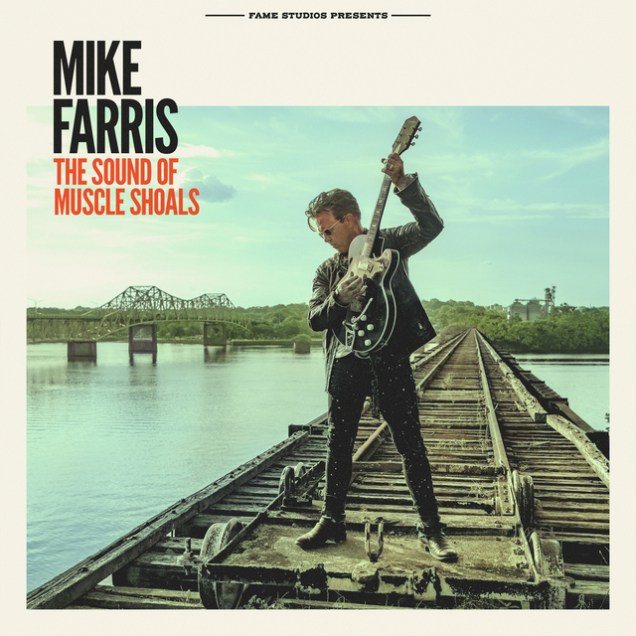
Roadhouse Album Review: Mike Farris powers “Sound of Muscle Shoals” with Southern soul

Mike Farris — “Sound of Muscle Shoals” — Fame / Malaco Records

From the hard-driving opening bars of “Ease On,” with the passionate voice of Mike Farris fronting the soul-soaked sounds of the Muscle Shoals rhythm section, to the world-weary finale of “Sunset Road,” Farris’s latest album is a glorious non-stop musical journey.

That journey includes nine sharply crafted originals and a pair of gorgeously sung covers: Tom Petty’s pensive, slow rocking “Swingin’,” and the soulful gospel of the Staple Singers’ “Slow Train,” with sublime backup vocals.

Elsewhere, Farris lets his deeply felt Southern-soul-filled vocals roam expressively through songs like the thundering “Heavy on the Humble,” the delicate thoughtful soul of “Bird in the Rain,” the pedal-steel countrified “Bright Lights,” and the richly voiced soul stirrers “Her” and the painfully elegant “Before There Was You & I” resonating with echoes of the great Otis Redding.

Farris has come a long way musically since his 1990s fronting the rocking Screamin’ Cheetah Wheelies. His 2014 album “Shine for All the People” (2014) won a Grammy for Best Roots Gospel album, followed by his thoroughly soulful “Silver & Stone” in 2018.

It feels like this entire album is a kind of return to his roots for Farris. “Ease On,” for example, is rich with details of his early years in Franklin County, Tennessee. “We didn’t have much, and life always felt like a struggle, and for many years, I found it hard to go back there. But in a way, “Ease On” pulled the curtain back and allowed me to take stock of where I came from and how I got here.” The lyrics reflect this sentiment: “It’s a long, long journey from where we began.”

Mike Farris is criminally under-appreciated as a soulful Southern voice, one that’s laid bare in the vibrant tracks of “The Sound of Muscle Shoals.” Farris and the roadhouse bravado of his music command your attention and demand your respect.


Here’s “Ease On” from the album:

Tracklist & Credits:

  1. Ease On
  2. Heavy On The Humble
  3. Swingin’
  4. I’ll Come Runnin’
  5. Bird In The Rain
  6. Slow Train
  7. Bright Lights
  8. Learning To Love
  9. Her
  10. Before There Was You & I
  11. Sunset Road

Mike Farris–Lead Vocals
Clayton Ivey–Piano, Hammond Organ, Wurlitzer
Will McFarlane–Guitar
Kelvin Holly–Guitar
Jimbo Hart–Bass
Justin Holder–Drums, Percussion
Wes Sheffield–Guitar
Wendy Moten, Kevin Clayborn, Lashanda Evans, Cindy Walker, Angela Hacker–Vocals
Philippe Bronchtein–Steel Guitar
Brad Guin–Saxophones
Drew White–Trumpet